
9 Ways Builder Photography Services Can Transform Your Marketing Strategy

Updated: Oct 4
Construction is competitive, and the builders who market well tend to stay busy. Professional photography is one of the simplest ways to stand out, turning your projects into marketing that actually pulls in clients. Here are nine ways it helps.

1. Showcasing Real Progress
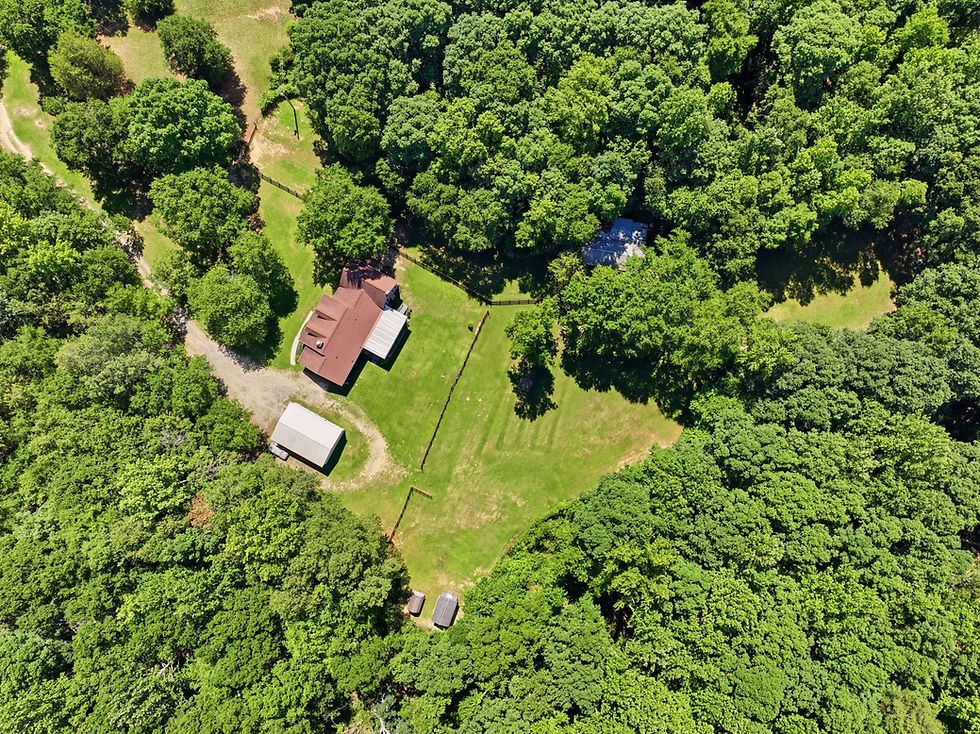
Photos of a job at different stages give clients a clear, honest view of how things are moving. From the foundation to the final coat of paint, good progress shots build trust and keep people in the loop. They also cut down on the how's-it-going calls, because clients can already see for themselves. If you're documenting a build start to finish, pairing ground photos with drone shots of the construction site gives the clearest picture of all. A running photo record also shows off your team's work and sets you apart from builders who just send text updates. Candid shots of the crew at work let clients feel the care and craftsmanship going into the job.
2. Capturing Unique Architectural Details
Professional photos put a spotlight on the details that make a build special. The masonry, the carpentry, a clever design choice, those are often the things that sell a project, and they deserve to be shot well. Close, sharp images of that work raise how people see your craftsmanship, and they double as a way to show the materials and techniques you use. Zooming in on the details shows off both the individual project and your commitment to doing things right.
Detail shots also back up your reputation as a builder who sweats the small stuff. They work hard in portfolios, ads, and online, where a strong image earns that first bit of interest. It's a custom staircase here, a tile pattern there, and each shot adds to the story of quality work. They also open the door to bigger conversations about custom options and what else you can build.
3. Building a Visual Portfolio
A solid portfolio lets potential clients picture what you can do. Good images tie your projects together into one clear story about your skill and range. People flipping through it aren't just seeing past jobs, they're imagining what you could build for them. A strong portfolio shows the scale you work at and how well your team adapts across different kinds of projects.
Building one means picking projects that show range, from commercial jobs to custom homes. Sharp photos capture the little things, like a bold design choice or a careful renovation of an older property. Keep it updated with new work so it stays current, and your sales team has real proof to point to when they're making a pitch.
4. Creating Immersive Virtual Tours
Virtual tours let people walk through your work from anywhere. That kind of interactive view brings a building to life in a way stills can't, and it lets someone experience the space without being on site. It saves time and opens your work up to clients who can't visit in person. Drop a tour on your website or into a campaign and you've got a preview that can turn a browser into a buyer. Little touches like hotspots and annotations make the walkthrough richer and point people to the best parts of a project.
5. Enhancing Online Listings
Online, your photos are the first impression, so they need to land. When someone's browsing construction services, they're looking for quality they can trust, and a well-shot listing shows it. Clear, honest images of the space, the light, and the design pull in more real inquiries and can speed up the sale. Strong photos work like a quiet salesperson, generating interest while cutting down on how much you have to explain in text.
6. Strengthening Your Brand Image
Professional photography shapes how clients see your business. What you show visually tells people a lot about how reliable and polished you are, and that often drives their choice. Every photo becomes proof of the standards you hold. Consistent images that match your brand build familiarity and trust, which matters a lot in construction, where reputation carries the day.
Your visual identity ties all your marketing together and shapes how the public sees you. By staying deliberate about the images you put out, on your site, in brochures, or on social, you control the story people hear about your company. Quality images back up your reliability and can spark the kind of word-of-mouth that comes from happy clients.
7. Engaging Social Media Content
Photos are one of the strongest tools you've got on social. They drive engagement and shares and get your work in front of more people. Good images lift your whole social strategy, from a build coming together to a milestone worth celebrating. Before-and-after shots are especially fun for followers to track, and they highlight your part in the whole thing.
Pairing regular updates with strong images keeps people paying attention. A photo lands faster than a wall of text, which makes it ideal for pulling in people who might become clients down the line. Reposting tagged photos and reviews from happy clients adds authenticity, and smart hashtags push your reach past your usual followers.
8. Supporting Marketing Materials
Good images make brochures, presentations, and the rest of your materials stronger. In construction, visuals carry ideas that are hard to put into words. One great photo of a finished project can anchor a brochure and get people asking questions. Presentations with strong images hold attention and make your points land during a pitch.
Working professional photography into these pieces polishes them and makes them hit harder, so your materials actually reflect the quality of your work. Lining up your visuals with your message reinforces the whole thing, and good-looking materials grab a client's eye right away, which is an edge worth having.

9. Documenting Milestones and Achievements
Marking key milestones gives you both a record and something to celebrate and share. Milestone photos capture the big moments of a project and back up your credibility. Groundbreakings, completions, any turning point, catch them on camera and they become part of your story while strengthening client relationships.
That kind of documentation keeps things transparent and accountable, which matters for good client relationships. Shared publicly or tucked into a year-end recap, the images become part of a bigger story about how your work has grown over time. Showing that progress in pictures says a lot about what you've built.
What a Progress Shoot Schedule Actually Looks Like
Most builders we work with settle on four or five visits per project instead of shooting whenever somebody remembers. A rhythm that holds up:
Site prep and foundation, once the slab or footings read from the air
Framing and dry-in, when the shape of the building finally shows up in a photo
Drywall and rough-in, mostly for internal records and change order documentation
Exterior complete, siding and roof done, before the landscaping goes in
Final, after the punch list and after the cleaning crew
The framing visit is the one people skip and later regret. It is the only stage where the structure is legible and the site still looks like work is happening. Once drywall goes up, the interior photographs like every other unfinished room in America.
Timing the Visit So the Site Looks Like Itself
The best day to shoot an active jobsite is usually Friday afternoon after cleanup, or a Saturday morning with no crews on site. You want it tidy but not staged. Material stacked neatly reads as organized. A yard of scrap and coffee cups reads as chaos, and clients notice that faster than they notice the trim work.
Light does more for an exterior than anything else you control. In the Upstate and in Richmond, a jobsite shot at noon in July gives you blown out white siding and black shadow under every eave. Roughly two hours before sunset is where a build looks its best. For a twilight exterior on a finished home the usable window runs about twenty minutes and you get one attempt per evening, which is the same reason we schedule finished listing photography around the light rather than around the calendar.
Site Access, Safety and the Practical Stuff
A photographer on an active site needs a hard hat, boots and a vest, and needs the superintendent to know they are coming. Shooting around live trades is a negotiation. You are asking a framing crew to hold still for ninety seconds, which they will do once cheerfully and a third time considerably less so. Build the shot list before you arrive.
Drone work over a jobsite adds a layer. The operator needs an FAA Part 107 certificate and liability coverage, and the crew needs to know something is going up. You do not fly directly over people, so either the site clears briefly or the flight path works around them. Near GSP or Donaldson in the Upstate, or near RIC on the commercial and industrial jobs we shoot around Richmond, controlled airspace means pulling an LAANC authorization first. It is quick, but it happens before the drone leaves the case, not after.
What You Should Walk Away With
Ask for both web sized and print resolution files. The brochure and the Instagram post have different needs, and re-exporting six months later is a hassle nobody enjoys. On a finished build, a fair delivery looks like:
Front and rear elevations plus at least one angled three-quarter exterior
Kitchen, primary suite and primary bath
Any custom detail the client specifically paid for, shot close
Two or three aerials showing the lot and how the house sits on it
A short vertical clip cut for social, if video was part of the order
Before and after pairs from the same camera position are worth asking for by name. They are the single most shareable thing a builder can post, and they only exist if somebody thought about it back at the first visit.
When You Do Not Need a Photographer
Honest answer: if you are building the same three floor plans across one subdivision, you do not need a full shoot on every house. Shoot each plan properly once, in good light, and reuse it. What earns a fresh visit is a lot that is genuinely different, an upgraded finish package, or a true custom job.
Mid-framing photos are the same. They pay off only if you are actually going to use them. Plenty of builders buy a stage nobody ever looks at again. If the photos are not going into a client update, a lender package or a marketing piece, skip the visit and put the money into the final shoot instead.
Want photos that make your builds look as good as they are? Reach out to Beyond All Media. Call us in the Carolinas at (864) 714-0724 or in Richmond at (804) 913-3013.


Comments