
The Art of Storytelling Through Drone Videography

Updated: Jul 6
Some stories you can't tell from the ground. Drone videography changed what's possible for anyone trying to capture a place, a property, or a moment: perspectives that used to require a helicopter now fit in a backpack. This post covers how we think about storytelling from the air, and what makes aerial footage worth watching.

The Rise of Drones in Storytelling
Not long ago, aerial footage was a luxury reserved for big film budgets. Now a drone like the DJI Mavic 3 Pro puts sharp, stable, cinematic shots within reach of any working videographer. That shift changed how stories get told: wide landscapes, rooflines, and whole neighborhoods captured in a single move.
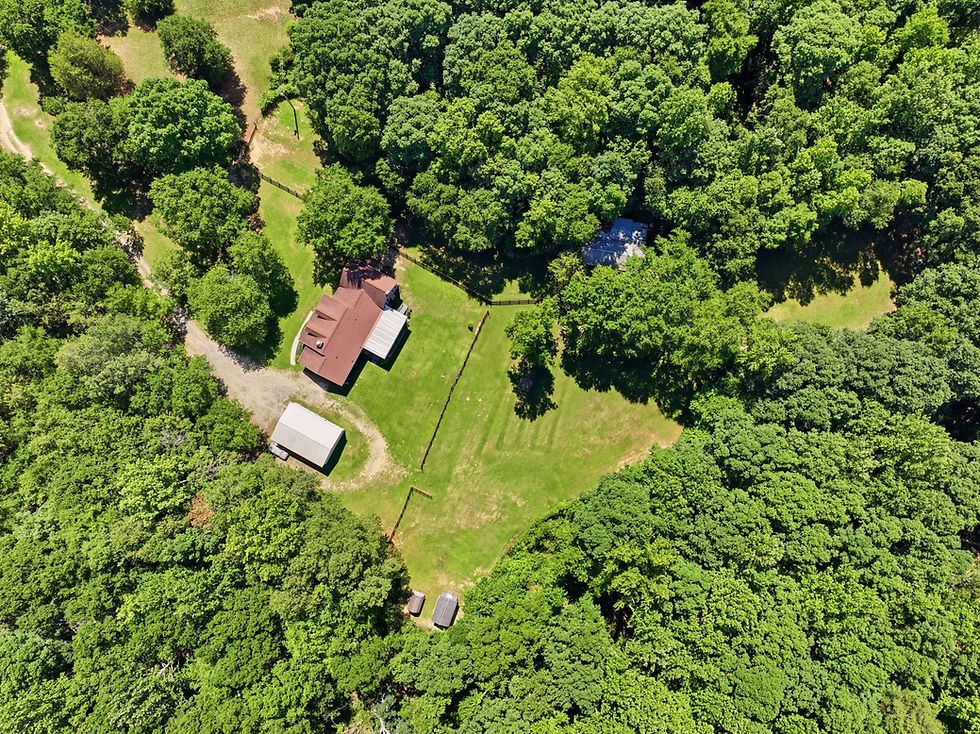
It's also opened real business doors. At Beyond All Media we fly nearly every week, for everything from drone photography on Upstate SC listings to commercial projects, and the aerial angle is often the shot clients remember most.
Mostly, drones removed the ceiling on composition. You're no longer stuck with the angles your feet can reach. Once you can put the camera almost anywhere, the question stops being what can we shoot and becomes what's the story.
Understanding the Basics of Drone Videography
Good aerial storytelling starts with boring fundamentals: know your aircraft, know your controls, know the rules. A capable drone helps (the Mavic 3 Pro's camera and flight modes cover most real-world needs), but familiarity with your gear matters more than the spec sheet.
Smooth footage comes from smooth hands. Practice basic maneuvers until they feel automatic, learn your local airspace rules, and fly legal. Confidence with the controls is what frees you up to think about the shot instead of the stick inputs.
Crafting Narratives with Aerial Perspectives
An aerial shot isn't automatically a story. It becomes one when it shows relationships: the house and the water behind it, the job site and the road feeding it, a neighborhood at golden hour. Think about what you want the viewer to understand, then find the altitude and angle that makes it obvious.
The strongest aerial sequences move between scales. Open wide to set the scene, then push in close to the detail that matters. That rhythm, big to small and back again, keeps viewers oriented and interested at the same time.
Techniques for Creating Engaging Drone Videos
Slow, deliberate camera movement beats fast and flashy almost every time. Smooth pans, controlled reveals, steady orbits: those are the moves that make footage feel intentional. They take practice, and they earn it.
Then the edit does the rest. Color grading sets the mood, pacing controls attention, and a thoughtful cut turns pretty clips into an actual sequence. Don't rush this part. The edit is where a flight becomes a film.
Overcoming Challenges in Drone Storytelling
Flying comes with real constraints: airspace regulations, weather, and battery life. Regulations come first. Know where you can fly and get the authorizations you need, every time. It keeps you legal and it keeps the job calm.
Weather is the other boss you answer to. Wind and storms will scrub a shoot, so watch the forecast and build slack into the schedule. Batteries have gotten better (the Mavic 3 Pro flies noticeably longer than older birds), but planning your shots before takeoff is still what saves the day.
Embrace the Sky: Crafting Your Drone Story
Drone videography isn't a gimmick. It's a new way to show people places, and the pilots who treat it as storytelling rather than a tech demo are the ones producing work that lasts. Rather hire it out? Beyond All Media flies for real estate and businesses across Upstate SC, Columbia, and Richmond. Call (864) 714-0724 in the Carolinas or (804) 913-3013 in Richmond.


Comments