
Elevate Your Listings: The Essential Guide to Real Estate Media for Success

Updated: Oct 4
Thinking about getting serious with real estate media? Maybe you're an agent who wants better listings, or a photographer looking to break into the niche. Either way, it helps to know how this stuff actually works. Here are the questions we get asked most, with straight answers to get you going.

What Is Real Estate Media?
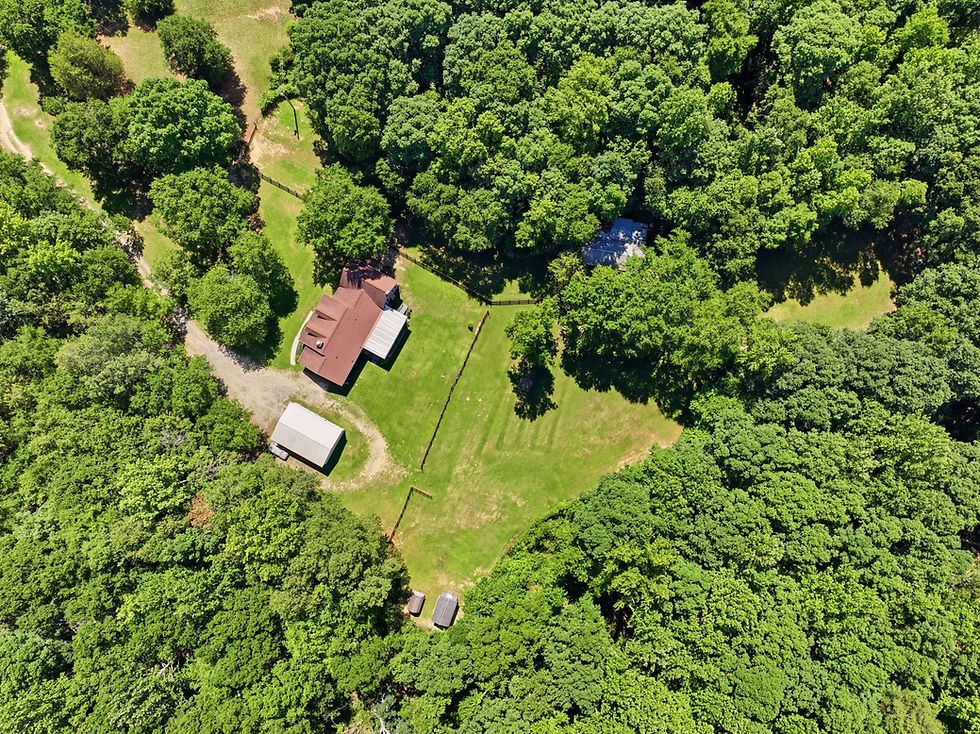
Real estate media is the photos, video, and virtual tours used to market a property. Good media shows off a home's best features and pulls in buyers. In a competitive market it's pretty much expected, not optional. It runs the range from high-res interior and exterior shots to drone footage that captures the whole property from above. Add a 3D tour and buyers can walk the place from their couch, which widens your audience well beyond the locals.
At Beyond All Media, we focus on real estate media that makes a listing stand out and brings in more buyers. Big construction site or cozy living room, we shoot every property to look its best. Our media services are built to get real results, not just nice pictures.
Why Is High-Quality Media Important in Real Estate?
Quality media matters because it makes the first impression, and these days that happens online. A buyer scrolling listings stops on the one with sharp, bright photos and skips right past the dark, blurry ones. Good visuals are often what gets someone to book a showing in the first place.
Professional work also signals that you pay attention to detail, which buyers notice. Add drone shots and a 3D tour and a listing pulls even more interest, because people get a fuller picture of the property and the lot before they ever visit. That helps them make a real decision instead of guessing.
What Equipment Do You Need?
The gear matters. At a minimum you want a solid DSLR or mirrorless body, a wide-angle lens, a sturdy tripod, and a drone for aerials. From there, a gimbal for smooth video and a lighting kit for interiors go a long way. The right setup is what gets you clean, sharp results in any room.
Good equipment changes how a property reads in photos. Wide-angle glass makes rooms feel as open as they really are, and a drone grabs angles that show off the lot and the setting. Even small upgrades, a gimbal here, panoramic gear there, noticeably bump up the quality.
How to Prepare a Property for Shooting?
Prep makes or breaks the shoot. Get the place clean, clear the clutter, and open it up to as much light as possible. Stage rooms simply so buyers can picture themselves there, and don't skip the little touches like fresh flowers or a set table. We put together a full room-by-room checklist for getting a home ready for photos if you want a step-by-step.
Clearing clutter keeps the photos clean and free of distractions. Mixing natural light with the right lamps shows off the architecture, and a little staging, even rented furniture, highlights how a space lives and makes buyers feel at home right away.
What Are the Best Practices for Shooting?
Use natural light when you can, work the room from a few angles, and play up whatever makes the place special. Keep the look consistent across every shot so the set feels cohesive. Timing matters too. Shooting around golden hour, when the light is soft and warm, makes almost any property look better.
Perspective is everything. Shoot from about chest height and rooms read true to size, while a creative angle here and there turns up details people miss. Spend your time on the real selling points, the crown molding, the view off the back deck, the updated kitchen. Then clean it up in editing, knocking down glare and balancing color so each shot lands.
How to Edit Real Estate Photos for Maximum Impact?
Editing is where good photos become great. Tune the brightness, contrast, and sharpness to bring out the detail. Lightroom and Photoshop let you fix exposure, tidy up the framing, and play up the features that didn't quite pop on location.
A lot of depth comes from blending exposures, so you keep both the bright window and the room around it. Small touches like a bluer sky or a greener lawn make a photo pop. Done right, editing is what makes your shots stand out from the listing next door and keeps buyers looking.

What Role Does Innovation Play in Real Estate Media?
New tech keeps pushing real estate media forward. Virtual and augmented reality let buyers tour a property from anywhere, which is a big deal for out-of-town shoppers. 3D tours in particular keep people on a listing longer and tend to pull a lot more web traffic.
As the tools get better, we can offer things that weren't possible a few years ago. Buyers expect more now, so staying current is how you keep an edge. At Beyond All Media, we're always testing and rolling out new tech so our clients' listings stay a step ahead.
What a Media Package Actually Includes
Most agents call us asking for photos and end up wanting three or four things. Here is the plain version of what each piece does, so you can spec a listing instead of guessing. If you want the full agent-side version of this, our 2026 listing playbook walks through it market by market.
Interior and exterior stills. The backbone. Twenty-five to forty frames for a typical Upstate or Richmond home, delivered web-sized and print-sized.
Aerial stills and a short aerial clip. Worth it on acreage, waterfront, corner lots, and anything where the neighborhood is doing the selling.
A walkthrough video. Vertical for social, horizontal for the MLS and YouTube. Two edits, one shoot day.
A 3D tour. The relocation buyer's tool, and the thing that quietly cuts down pointless showings.
A floor plan. Cheap, and it answers the question every buyer asks in the comments anyway.
How to Decide What a Given Listing Needs
Not every house needs the whole menu, and padding a package you cannot justify is a good way to sour a seller. A $240,000 townhome in Mechanicsville with a small yard does not need aerials. A 12-acre property outside Anderson absolutely does, because the land is the product. A downtown Greenville condo lives or dies on interiors and a floor plan, since square footage is the entire conversation. Price point matters less than what the property is actually selling.
The honest version: if the house photographs fine from the ground and the lot is unremarkable, skip the drone. If it is under 1,200 square feet and simple, skip the 3D tour. Spend the money where the property is unusual, and tell the seller why you did.
Turnaround, and Why It Matters More Than People Think
We deliver next business day on standard shoots, and same day when a listing has to hit the market Friday morning. That is not a brag, it is a scheduling constraint worth planning around. Ask any vendor for their turnaround in writing before you book, and ask what happens when weather kills the shoot. A vendor without a reshoot policy is a vendor who has not thought about your launch date.
Vetting Whoever You Hire
Look at full galleries, not portfolios. Anyone can show you eight good frames. Ask to see a whole delivered set from a house like yours, bathrooms and awkward back bedroom included, because that is where the difference shows up. Confirm the drone pilot holds a current FAA Part 107 certificate and carries liability insurance, and ask how they handle controlled airspace, since much of the Upstate sits under the GSP shelf and most of the Richmond metro sits under RIC. If the answer is vague, that is your answer.
Start Your Real Estate Media Journey with Confidence
Getting into real estate media takes some work, but it pays off. Know your role, get the right gear, and keep quality first, and you'll see the difference in your listings. And when you'd rather hand it to a crew that does this every day, Beyond All Media shoots photo, video, drone, and 3D tours across the Carolinas and Virginia. Reach us in the Carolinas at (864) 714-0724 or in Richmond at (804) 913-3013.


Comments