
Uncovering the Hidden Gems: Mastering Drone Photography for Real Estate and Small Business
Updated: Jul 17
Over the last few years, drone photography has really changed how agents and small businesses show their properties. A good aerial shot gives people a perspective they don't usually get, and it pulls them in. This is a rundown of how to get sharp at it, so you can show off the best parts of a place.
Understanding the Basics of Drone Photography
Before you get fancy, nail the fundamentals. A drone with a solid camera will hand you angles you can't get any other way, but you've got to know the controls and the camera settings cold.
Spend real time flying safely and learning your exposure triangle, shutter speed, ISO, and aperture. Shooting in bright sun, for example, usually means a faster shutter so you don't blow out the highlights.
Gear helps too. Something like the DJI Air 3S, with its 48MP camera and 4K video, makes a real difference, and at around $1,100 it's a fair buy for beginners and pros both.

Choosing the Right Time of Day
Timing is everything up there. The golden hour, right after sunrise and right before sunset, gives you that soft, warm light. Colors look richer, details read better, and the whole shot just feels nicer.
Don't write off cloudy days either. Overcast acts like a giant softbox and gives you even light with way fewer harsh shadows. Some of the cleanest exteriors I've shot were on gray days.
Plan around the light. Figure out when the property looks its best and shoot it then.

Mastering Composition Techniques
Composition is what separates an okay aerial from a great one. Lean on the rule of thirds. Picture a 3x3 grid over your frame and put the important stuff along those lines or where they cross.
Leading lines help a lot too. A walkway, a driveway, a fence line, anything that guides the eye toward the house. A path running up to the front door gives the shot a natural flow and a little story.
And don't get stuck on one frame. Grab the same scene from a few heights and angles. You won't always know which one sings until you're back at the computer looking at them side by side.
Utilizing Different Angles and Heights
The best thing about a drone is how many angles it opens up. Get low, get high, and don't be shy about either. A view you didn't expect often shows off a detail you'd have missed from one spot.
Try orbiting the property while you shoot. Circling it gives you a full look at the place from every side, and you usually come away with a few standout frames.
It works for small businesses too. Shoot a cafe's outdoor seating from above and you instantly sell the vibe, which is the kind of thing that pulls people in.

Post-Processing Your Drone Photos
The edit is where the photo really comes together. Lightroom or Photoshop will take a good shot and make it noticeably better.
Start with the basics, exposure, contrast, brightness. Bring up the color so the property stands out, and clean out anything distracting in the frame, like a stray trash can or a car in the driveway.
Once you find a look you like, save it as a preset. Running the same style across your shots keeps everything feeling consistent and on-brand.
Legal Considerations and Safety
Before you fly, know the rules where you are. For paid work in the US, that means your Part 107, and some areas have restrictions on flying near people or buildings.
Keep it safe and simple. Keep the drone in your line of sight, steer clear of big crowds, and don't push it in bad conditions. Most of the trouble people get into comes from losing track of the aircraft, so just stay heads-up.
Flying Over Upstate SC and the Richmond Area
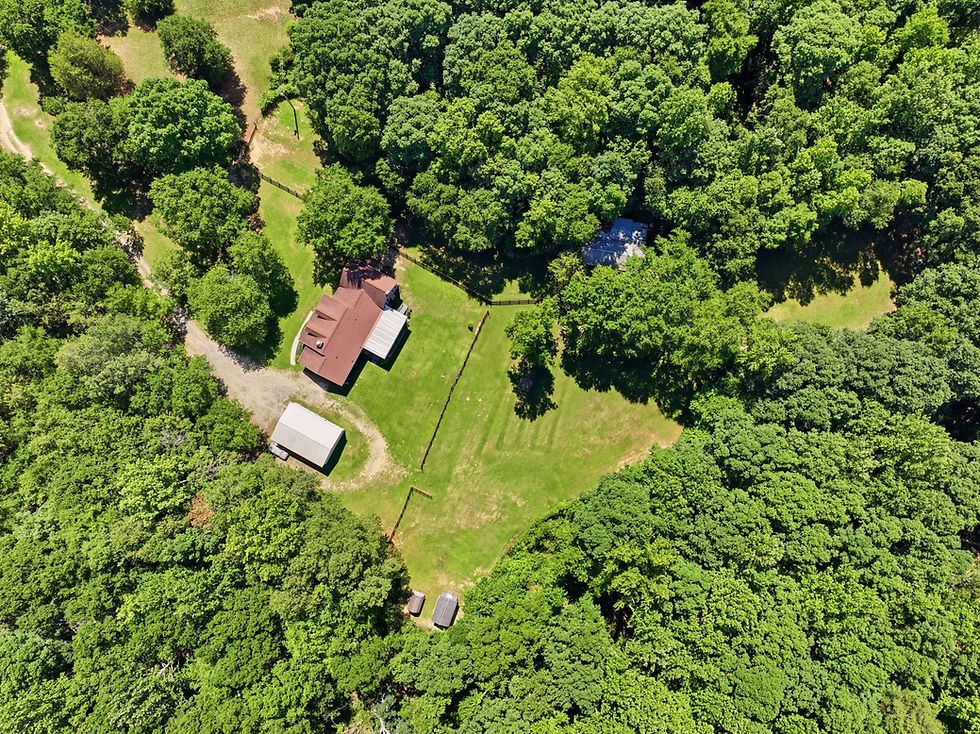
Generic tips get you part of the way, but the ground under you changes the shoot. Around Greenville, Spartanburg, and Anderson you are working the Piedmont, so expect rolling hills, heavy tree cover, and a lot of homes that back up to woods or water. Lake places on Hartwell and Keowee look incredible from the air, though you have to mind your distance over open water and watch the glare when the sun sits low. Summers here run hot and hazy, so I like to get up early before the humidity flattens the light and softens the tree line.
The Richmond side, including Mechanicsville and the rest of Hanover County, gives you older, taller canopy and homes tucked into settled neighborhoods. The James River and the historic streets make for great context in a wide shot, but you have to plan your lines so power poles and big oaks do not cut across the house. Different ground, same job: frame the property so a buyer two states away gets why it is worth the drive.
Airspace and Permits, the Short Version
Both markets sit close to controlled airspace. Greenville-Spartanburg International (GSP) drops a ring over a good chunk of the Upstate, and Richmond International (RIC) does the same on the Virginia side, so plenty of neighborhoods need an authorization before you launch. LAANC makes that quick, usually instant right from the controller or a flight app, and the B4UFLY app tells you what you are sitting under. For any paid job you still carry your Part 107, and if a property falls under a zero-foot grid or a low ceiling, you plan the shot around it instead of pushing your luck. If you would rather hand that off, our Upstate crew sorts it every week, and our Drone Photography for Upstate SC Real Estate guide walks through how we shoot those markets.
A Quick Pre-Flight Checklist
Before every launch I run the same short list. It keeps the shoot smooth and the client happy:
Check the airspace and file a LAANC authorization if the property needs one.
Confirm the batteries are charged and the props are clean and free of cracks.
Know where the sun sits and when the property shows its best face.
Walk the yard first and note anything you want gone in the edit, like trash cans, hoses, or a car in the drive.
Plan your frames: at least one straight-on hero, one high wide for context, and an orbit for the video.
Mind the wind, keep the aircraft in sight, and never fly what you cannot see.
Capturing Construction Progress
Drones are great for tracking a build. Fly the same site on a schedule and you put together a clean visual timeline of the whole project.
Those before-and-after frames show clients exactly how far things have come. It's an easy way to build trust, and builders love having proof of the work to show the next prospect.
Highlighting Unique Features
With real estate, your job is to show what makes a place special. Shoot the pool, the landscaping, the big backyard from angles that make them look as good as they are. Tie those features back to the house and you've given a buyer a reason to keep scrolling.
Catch an outdoor entertaining area from above and people start picturing themselves hosting out there. That little bit of imagination is often what gets them to book a showing.
Building a Drone Photography Portfolio
If you're doing this for work, a tight portfolio matters. Put your best aerial shots out front and let them do the talking.
Mix it up, different property types, different settings, so people can see you handle whatever they throw at you. A dedicated drone section on your site helps, and naming things clearly makes you easier to find when someone searches for aerial photography in your area.
The Power of Storytelling
Every property has a story, and your photos are how you tell it. Maybe it's the fenced yard that's perfect for kids, maybe it's how close the place sits to everything in town. Lead with that.
A good caption helps the photo do its job. Point at the lifestyle the place offers and you make it easy for someone to picture their own life there.
Getting Better at Drone Photography
Getting good at drone work for real estate and small business opens up a lot of creative room. Lock in the basics, shoot at the right time, mind your composition, and put care into the edit, and your aerial photos start doing real work for you.
If you'd rather hand the flying and editing to someone who does it every day, that's us. Get in touch with Beyond All Media, or call the Carolinas at (864) 714-0724 or Richmond at (804) 913-3013, and let's show your properties from the best angle.


Comments