
Real Estate Videography: Capturing More than Just Properties

Updated: 4 days ago
Video has gone from nice extra to expected in real estate. A good listing video does something photos can't: it walks a buyer through the home, sets a pace, and gives a real sense of how the place lives. Here's what videography brings to a listing and why it keeps winning them.

The Rise of Real Estate Videography
Buyers start their search online, and video is the closest thing to being there. A listing video lets someone tour a home from their couch, which opens your pool to relocation buyers and out-of-towners who were never going to make a first showing. Platforms reward it too. Video gets shared and rewatched in a way photo carousels just don't.
Agents who use video consistently are also marketing themselves, not only the listing. Every video is proof to the next seller that their home will be presented well. Plenty of listing appointments are won on that proof before anyone talks numbers.
Beyond Traditional Showcasing
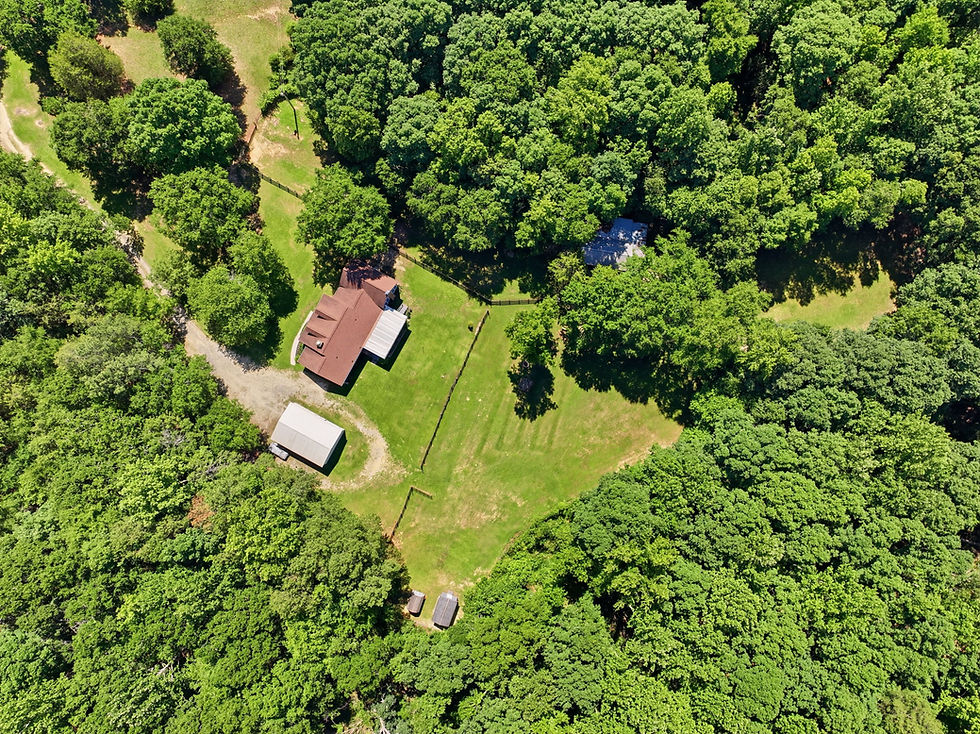
Photos freeze a house. Video moves through it. A walkthrough shows the flow from kitchen to living room, and drone footage places the home in its neighborhood. We covered what aerial work can uncover on the photo side, and it counts double in motion.
The other difference is atmosphere. Music, ambient sound, pacing. A well-cut video gives a listing a mood, and mood is what people remember after they've scrolled past twenty other homes. High-quality video makes a property feel like somewhere, not just something.
Capturing Lifestyle and Emotion
Square footage doesn't make anyone fall in love. The feeling of a Saturday morning in that kitchen does. Video catches light moving through a room, the porch, the street out front. Even color choices in the edit push emotion: warm tones make a space inviting, cooler tones read crisp and modern.
Buyers are shopping for a life, not a floor plan. Showing the park up the street or the way the backyard catches evening light helps them picture their own week there. Once someone can see themselves in the house, the showing almost books itself.

Technology and Techniques in Videography
The toolkit got deep fast. Drones for establishing shots, gimbals that make a walkthrough feel like a glide, 3D tours for buyers who want to poke around on their own schedule. Each covers a different kind of buyer attention, and they stack well in one listing package.
Virtual tours pull real weight with out-of-area buyers especially, letting them walk the home at their own pace before booking a flight. Agents who offer them simply reach more people, and the buyers who do show up arrive already sold on the layout.
Then there's the edit, where the video actually gets made. Blending exposures so the windows don't blow out, balancing color room to room, choosing music or narration that fits the property. A careful edit is the difference between footage and a finished film.
Benefits for Buyers and Sellers
For buyers, video is a realistic first showing. They see layout, condition, and neighborhood before giving up a Saturday. The homes that make their shortlist earned the spot, so the showings that happen are better ones.
For sellers, video signals effort. A listing with a real video reads as professionally marketed, and that perception carries into the price conversation. It also holds attention longer, and attention is the whole point of marketing a home.
Investing in professional videography tends to pay for itself in reach: more saves, more shares, more out-of-town interest. Both sides of the deal get something out of it, which is why demand keeps climbing.
The Future of Real Estate Marketing
What a listing video shoot day actually looks like
A listing video is a two to three hour job on site for most homes, and the house has to be ready before we get there. Same prep as photo day: lights on, blinds open and matched, cars off the driveway, counters cleared, toilet lids down, pet bowls put away. Video is less forgiving than stills, because we cannot clone out the recycling bin in post when the camera walks right past it.
We shoot the exterior first if the light is cooperating, then work through the house in the order a buyer would actually walk it. Gimbal moves get shot twice, once slow and once a touch faster, so the edit has options on pacing. The drone usually goes up last, once we know which side of the house is the hero.
Book the slot that matches which way the house faces. East-facing fronts want morning, west-facing want late afternoon, and a north-facing front is forgiving most of the day.
Keep color temperature consistent. Mixing warm bulbs with midday window light is what makes rooms split orange and blue on screen.
Turn the ceiling fans off. They strobe on video in a way they never do in a photo.
Plan on about a week for delivery on a standard listing video, and say so at booking if the listing goes live sooner.
The local piece: Upstate, Columbia, and Richmond
Geography changes the shot list more than people expect. An acreage listing out in Hanover or Goochland wants the drone doing most of the establishing work, because the land and the tree line are the point. A townhome in the Fan, or on a tight lot in downtown Greenville, wants the opposite: careful interior moves, and a walk-out shot that shows the street without parking the neighbor's porch in the middle of the frame.
Airspace matters for the aerial half of the job. Greenville sits under the GSP shelf with Donaldson close by, Columbia is under CAE, and most of Richmond's close-in neighborhoods are inside the RIC rings. All of it is flyable with a Part 107 pilot and a LAANC authorization, which usually comes back in under a minute. It still has to be requested ahead of time, so it belongs in the booking conversation rather than the morning of the shoot.
When video is not the right spend
Not every listing needs one. A small condo with four rooms and no view does not gain much from a walkthrough that good photos have already delivered, and a vacant house with nothing staged can read emptier on video than it does in stills. Put the money where the home has something to move through: flow between rooms, a yard, a staircase, a view, a setting. If a listing's real selling point is the price, a strong photo set and a floor plan will serve the seller better than a video will.
Video keeps growing because it does what listing marketing is supposed to do: let someone feel a home before they've stood in it. If you want that for your listings, Beyond All Media shoots real estate video across Upstate SC, Columbia, and Richmond. Call the Carolinas at (864) 714-0724 or Richmond at (804) 913-3013.


Comments