
How to Hire a Drone Operator Near You for a Real Estate Listing
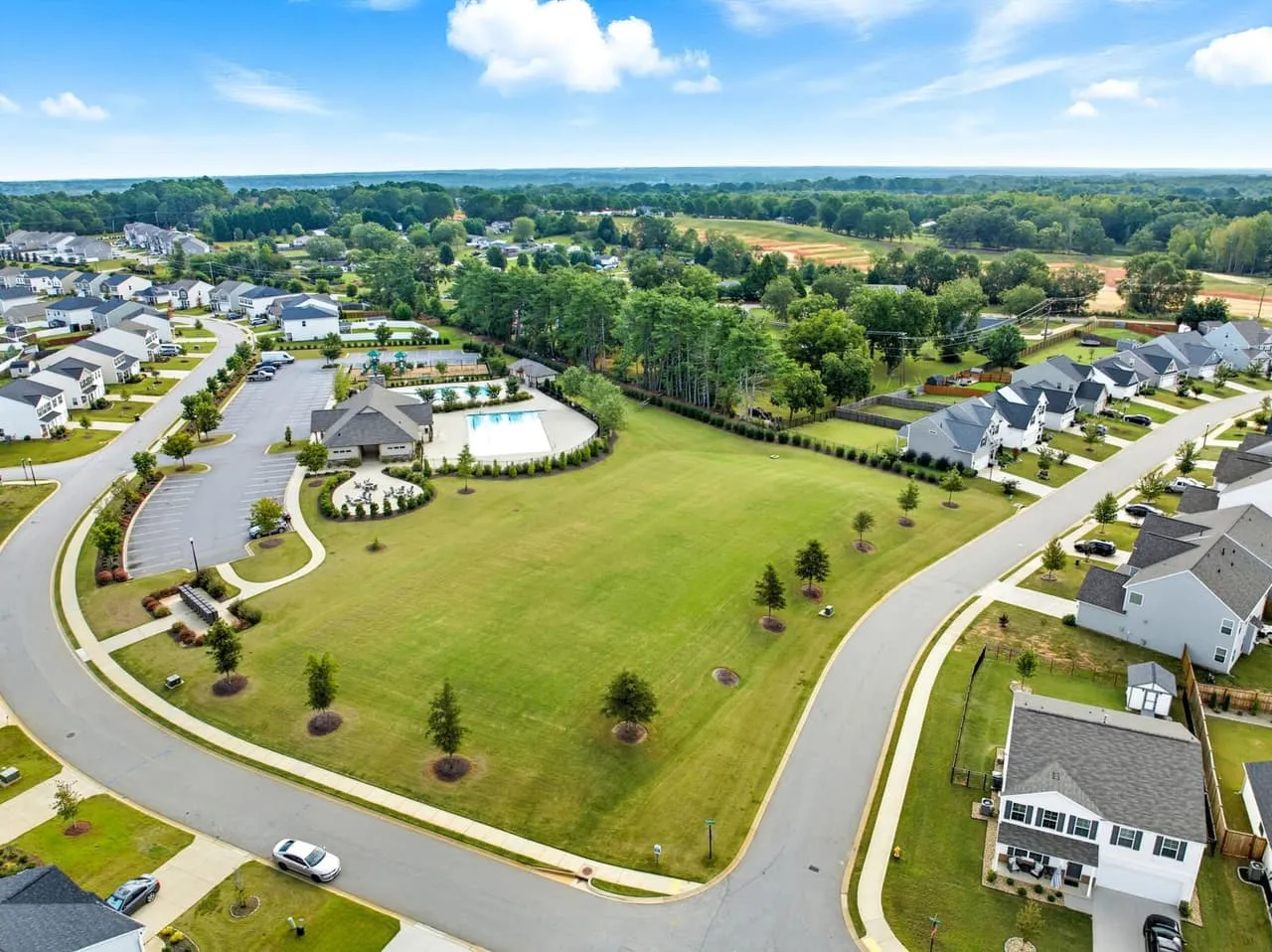
Search “drone operator near me” and you get a pile of names with nothing to tell them apart. The cheap ones and the good ones fly the same drone. The difference is what happens before takeoff, and what happens on the days the flight can’t go. This is the hiring side of the question, written for agents, brokers and property managers. What the finished aerials do for a listing is a separate subject. If you’re booking and want to know what to have ready on the day, start with how to prep a listing for a drone shoot.
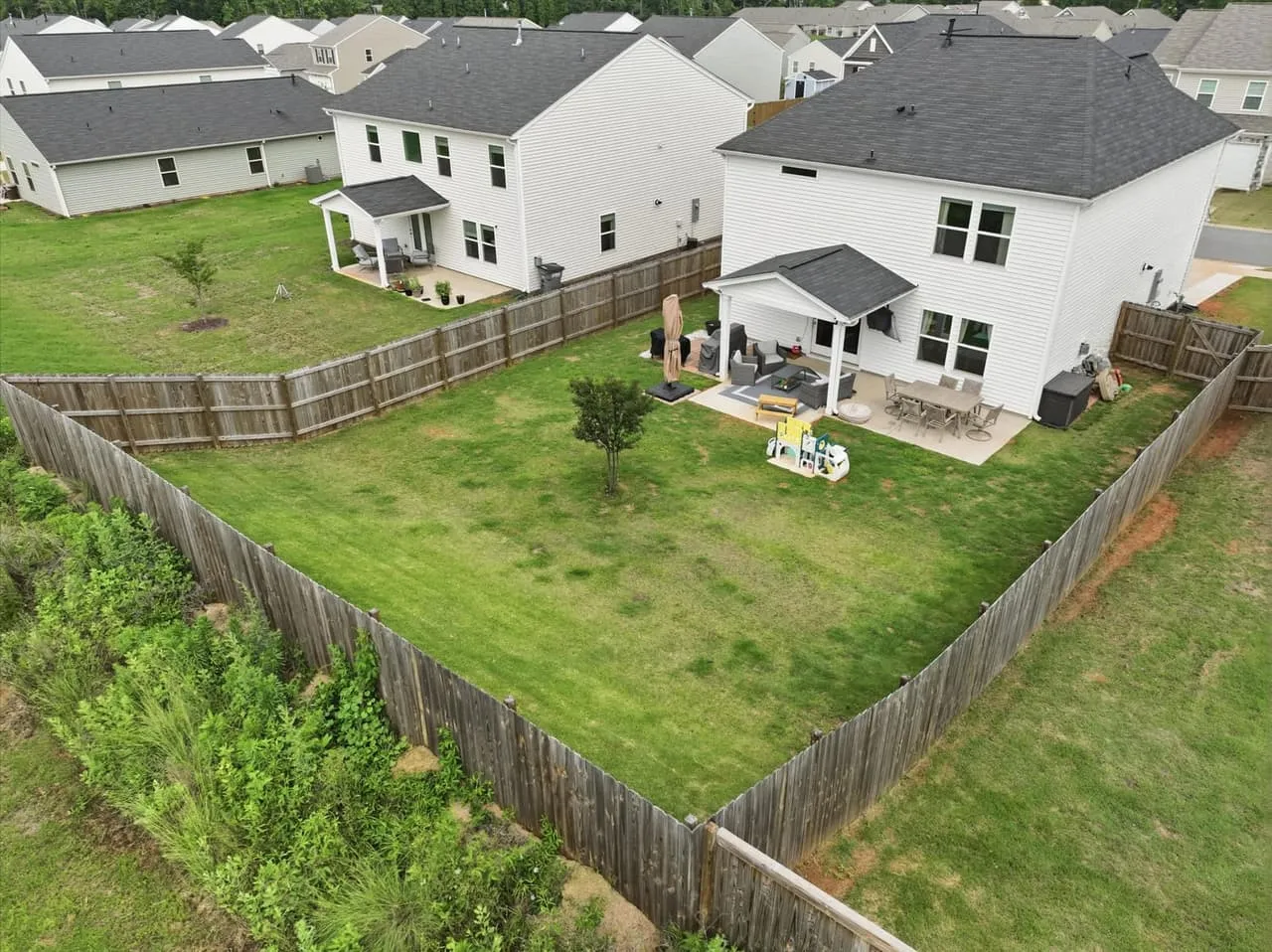
What you’re actually hiring
A drone operator flies a serious camera. The pilot also owns the legal side of the flight, the permission side, and the call on whether today is a good day to go up at all.
Flying for any commercial purpose in the US takes an FAA Part 107 remote pilot certificate. If you’re comparing quotes and one is far below the rest, the gap is usually in the paperwork.
How to vet a drone operator
Operators are not interchangeable, and the differences show up in the final gallery. Before you book, ask any operator for:
- The Part 107 certificate. The FAA’s public airmen inquiry lists certificated remote pilots by name, so you can check it in about a minute instead of taking anyone’s word for it.
- The drone’s FAA registration number. A drone flown for money has to be registered and carry that number on the airframe. If a pilot has to go look it up, you’ve learned how often they do this for a living.
- Sample work in your market. A wooded Upstate lot shoots differently than a flat Richmond subdivision. You want to see they’ve handled both.
- The delivery window, in writing. Aerials are no use if they land after the listing goes live. Ours follows the schedule in your order confirmation, and our delivery standard spells out how that works.
Insurance is a separate question. The FAA doesn’t require it for a Part 107 flight, but plenty of brokerages and commercial property managers set a minimum and ask to be named on the policy. If you’re one of them, ask for the certificate itself and read the limit before the shoot, not on the driveway.
This matters to you and not just the pilot. If a flight over your listing wasn’t legal, it’s your marketing package, and you’re the one explaining it to the broker.
Match the pilot to the job
A pilot who shoots listings every day is not automatically the right call for every aerial job. For a listing you want someone who frames a house on its lot and watches the sun. For a building going up, you want the same frame flown the same way every month. For a venue or a resort, you want twilight and a recognizable approach from the road. Ask which of those they’ve done recently and look at it before you book.
Airspace differs by market
This is where an operator earns the word “local.” Each market has controlled airspace around its airports, and it doesn’t sit in the same place twice.
- Upstate SC: the controlled airspace around GSP (between Greenville and Spartanburg), Donaldson Field (south of Greenville) and the Greenville Downtown Airport, GMU, on the east side of town. Parts of Greenville and Spartanburg fall inside it.
- Columbia: CAE is southwest of downtown, and its airspace reaches over parts of Cayce and West Columbia. Jim Hamilton sits closer in to town.
- Richmond: RIC is east of the city, and its Class C airspace reaches over parts of eastern Henrico.
LAANC lets a certificated pilot request authorization from an app, because the FAA publishes a grid with an altitude ceiling on every square. The squares that read zero are the ones that matter. There’s no automatic path there, and the only route left is a manual request to the FAA that can take weeks. A pilot who works your market knows which addresses sit in those squares before quoting a date. One who doesn’t finds out the morning of the shoot, with your seller standing in the driveway. Always check LAANC for the exact address, because nobody can promise approval before the grid says so. Our Upstate drone guide goes deeper on the South Carolina side.
What the pilot is deciding up there
Twenty-five minutes of flight time hides a lot of small calls. The first is altitude. Go too high and the house shrinks into a roof in a field of trees. Stay too low and you lose the lot. Most residential frames land somewhere between 60 and 120 feet, depending on how much land you’re showing and how tall the trees are.
The second is where the sun sits. A north-facing front is in shade for most of the day, and no amount of editing puts light on it. If your listing faces north, say so when you book, so the plan can lean on the sides that do get light.
The third is craft. Keep the horizon level on the wide frames. Expose for the roof when the sky is bright, so the shingles keep detail. Shoot the same feature twice, once high for context and once lower for the detail, so there’s something to choose from in the edit.
Permission, HOAs and the neighbor question
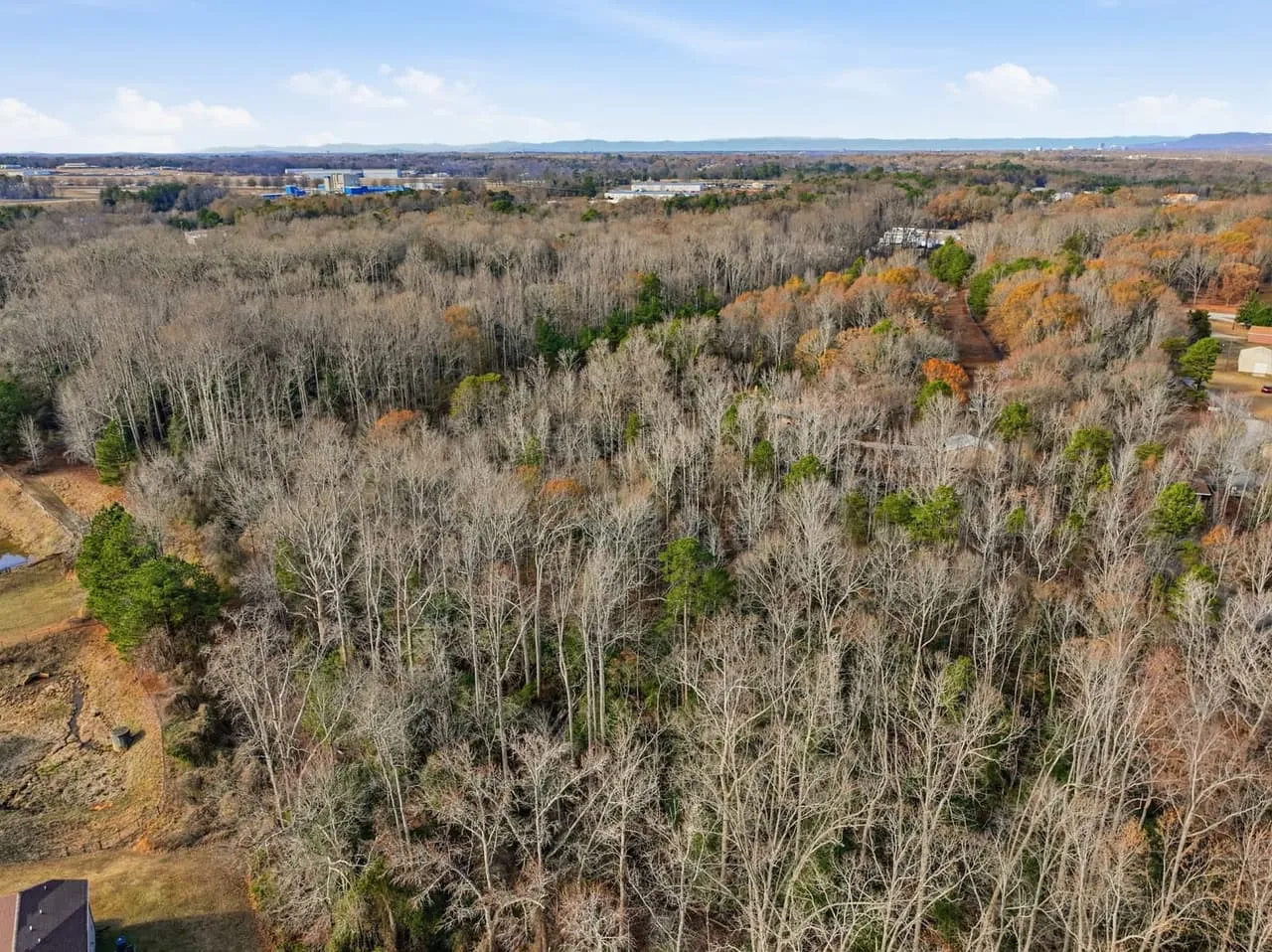
Airspace authorization covers the flight. It doesn’t cover the ground you launch from, and it doesn’t settle a neighbor who walks over to ask what you’re doing.
- Launch from the subject property, not the street. It keeps everything on the seller’s land and makes the conversation short if anyone asks.
- Check the HOA. Plenty of them in the Upstate and around Richmond have rules about flying over common areas, and checking costs nothing.
- Tell tenants first. If the property is occupied, the tenant should hear it from the agent and not from a drone over the back yard.
None of that is complicated. It just goes badly the first time it happens on site with a seller watching.
What happens when the flight can’t happen
How an operator handles a no-fly day tells you more than the portfolio does. Wind is the usual culprit: sustained wind past roughly 20 mph makes the footage shaky, and shaky footage on a listing is worse than none. A low ceiling or steady rain does the same. The flight moves and the ground work goes ahead anyway, so the visit isn’t wasted. Ask about the reschedule policy before you book, not after. A good answer is a clear next slot. A shrug is also an answer.
Why near you matters
We cover Greenville, Spartanburg and Anderson in the Upstate, Columbia and the Lake Murray side of the Midlands, and the Richmond metro through Henrico, Chesterfield, Hanover, Mechanicsville and Glen Allen. A pilot who’s genuinely nearby can hold the slot you want without building a two hour drive into the day.
Ask two logistics questions before you ask about price. How far will they travel without a trip charge, and how many shoots do they stack in a day? Somebody running five jobs across a metro fits yours into whatever slot is left, and you don’t get a say in the light.
The reshoot is the real test. If a storm rolls through and the aerials come back flat and gray, a pilot forty minutes away can swing back Thursday morning. One who drove two hours will tell you the photos are fine.
Not sure the property needs a drone at all? Our guide to which South Carolina listings need aerials covers that call, and our packages show what a shoot includes.
Ready to give your next listing that edge? Call Beyond All Media at (864) 714-0724 in South Carolina or (804) 913-3013 in Richmond.