
Is Professional Real Estate Photography Worth It? Pro vs Phone Photos
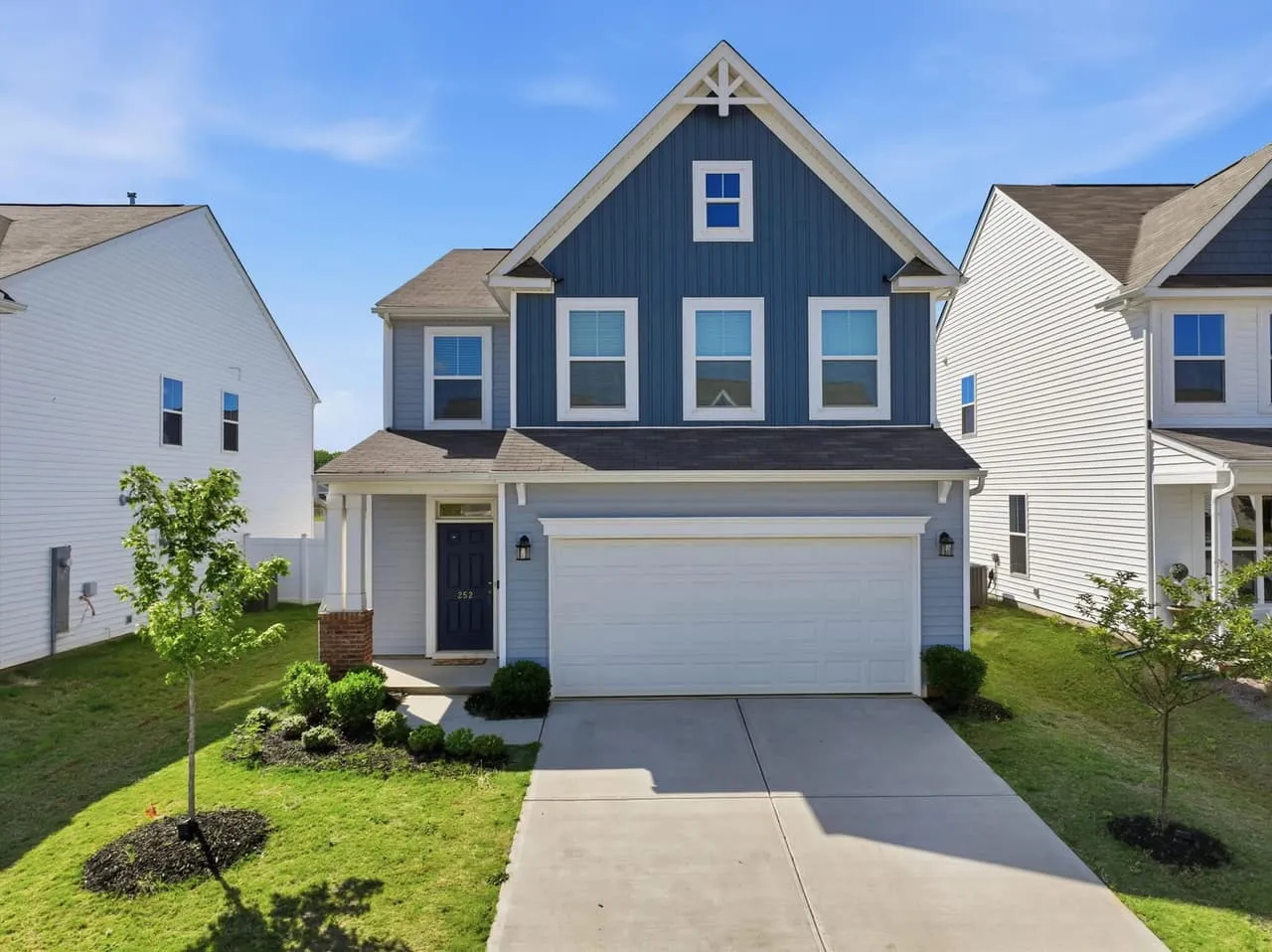
Buyers see your listing on a screen before they see the house. So the question isn’t whether the photos matter. It’s whether yours should come from a professional or from your phone.
What a phone gets wrong
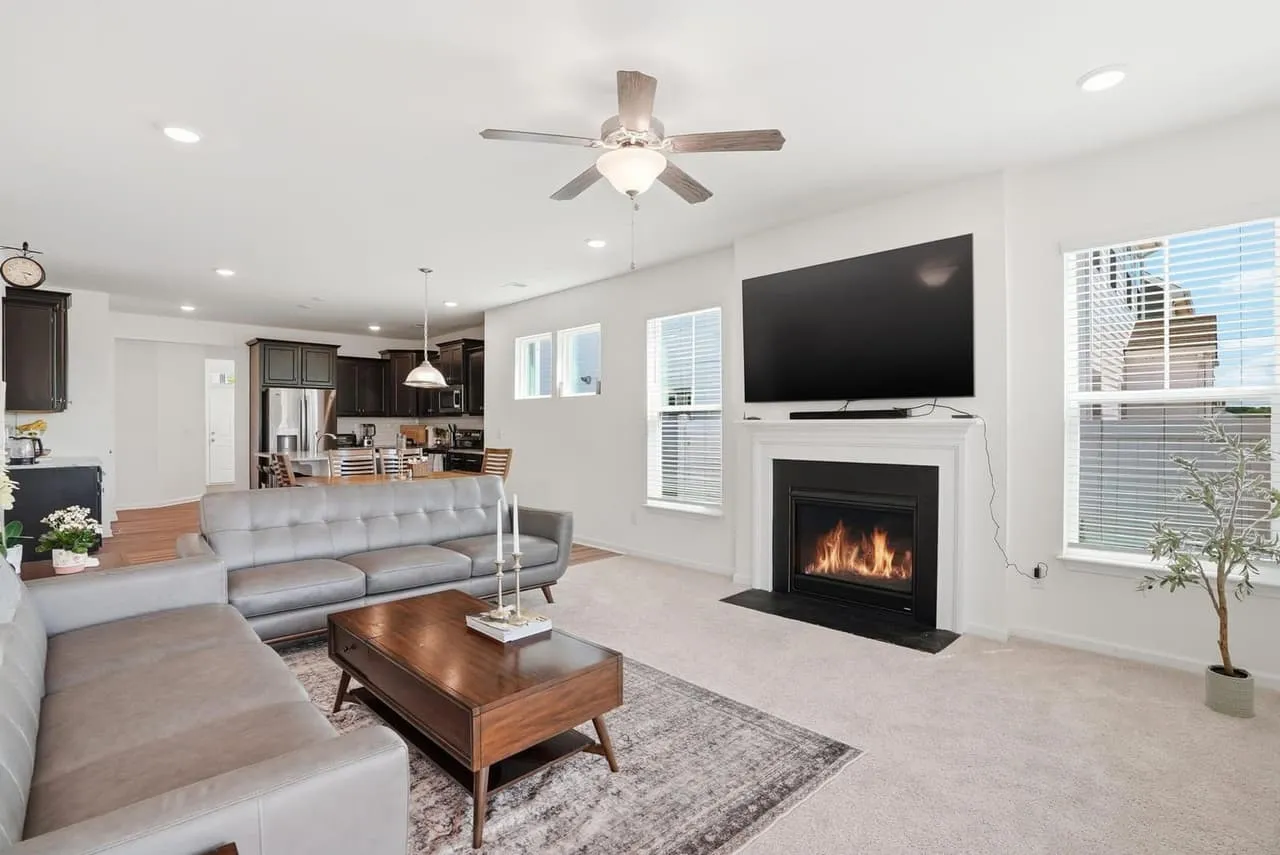
Modern phones take good pictures. They’re built for a snapshot, though, and a house is a hard subject. These are the problems we see most in phone-shot listings:
- Windows or room, never both. A bright window next to a dim room forces the phone to choose. You get a clean view outside and a dark interior, or a bright room and a blown-out white window.
- Mixed color. Warm bulbs and cool daylight in the same room, and automatic white balance that shifts from frame to frame, so one room looks yellow and the next looks blue.
- Leaning walls. Tilt the phone a little up or down and the vertical lines lean in.
- Stretched edges. A phone’s ultra-wide lens, used close to a wall, stretches whatever sits near the edges of the frame.
- An uneven set. Thirty photos shot over an hour at different heights and settings don’t look like one house.
What a professional adds
A professional’s job is to make the set repeatable. The same camera height, the same color and the same level lines in every room, so the gallery reads as one place. We cover the specific habits in our post on ten photography habits that show up in the gallery.
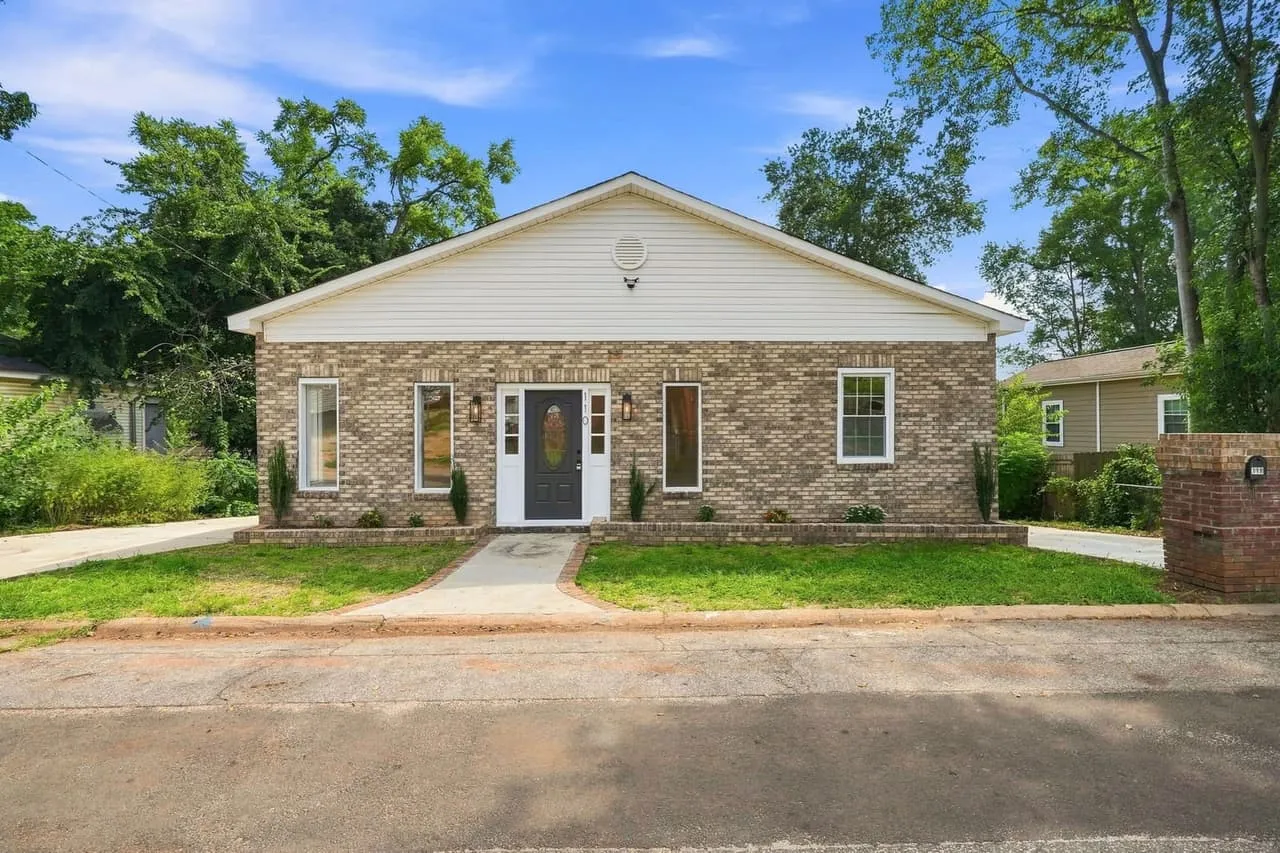
The other part happens after the shoot: blending exposures so the window and the room both read, correcting color across the set, and straightening lines. Done lightly, it makes the photos look like the house. Done heavily, it makes them look like a different house, which costs you at the showing.
A professional can also add pieces a phone can’t. Drone shots show the lot and what’s around it, a floor plan shows how the rooms connect, and a 3D tour lets a buyer walk it from another city.
And there’s time. While a pro works, you’re answering the seller’s calls, setting up showings and writing the listing.
What neither can fix
Photos show the house as it is. A professional can’t make a cluttered kitchen look clean or a worn deck look new, and shouldn’t try. Price and condition do the selling that photos can’t. The work you do before the camera arrives matters at least as much, which is why we wrote a room by room prep checklist you can forward to a seller.
Your listings are your portfolio
A prospective seller scrolling your past listings sees the quality of your galleries before they hear your pitch. A consistent look across your listings says you hold them to a standard. It’s a quiet signal, and it works whether or not anyone mentions it.
If you have to shoot it yourself
Sometimes there’s no budget or no time. A few habits help a lot:
- Wipe the lens. A smudged phone lens is a common reason for hazy photos.
- Turn on every light, open the blinds, and keep the phone level with the screen held upright.
- Use the main camera, not the ultra-wide, and stand in the corner of the room rather than the middle.
- Pick one camera height and keep it for the whole house.
It won’t match a professional set, but it will beat the usual snapshots.
When your phone is enough
Phones are fine for plenty of things that aren’t the main listing gallery:
- A quick “coming soon” teaser before the real shoot.
- A behind-the-scenes clip for social.
- An open house reminder, or a showing-day update to the seller.
For the photos that carry the listing, hire someone. Our listing playbook walks through how photo, drone, video and tours fit together, and the packages show what we shoot across Upstate SC, Columbia and Richmond.
Beyond All Media. South Carolina (864) 714-0724, Richmond (804) 913-3013.