
Drone Video for Construction Projects: What It Records and How a Shoot Works
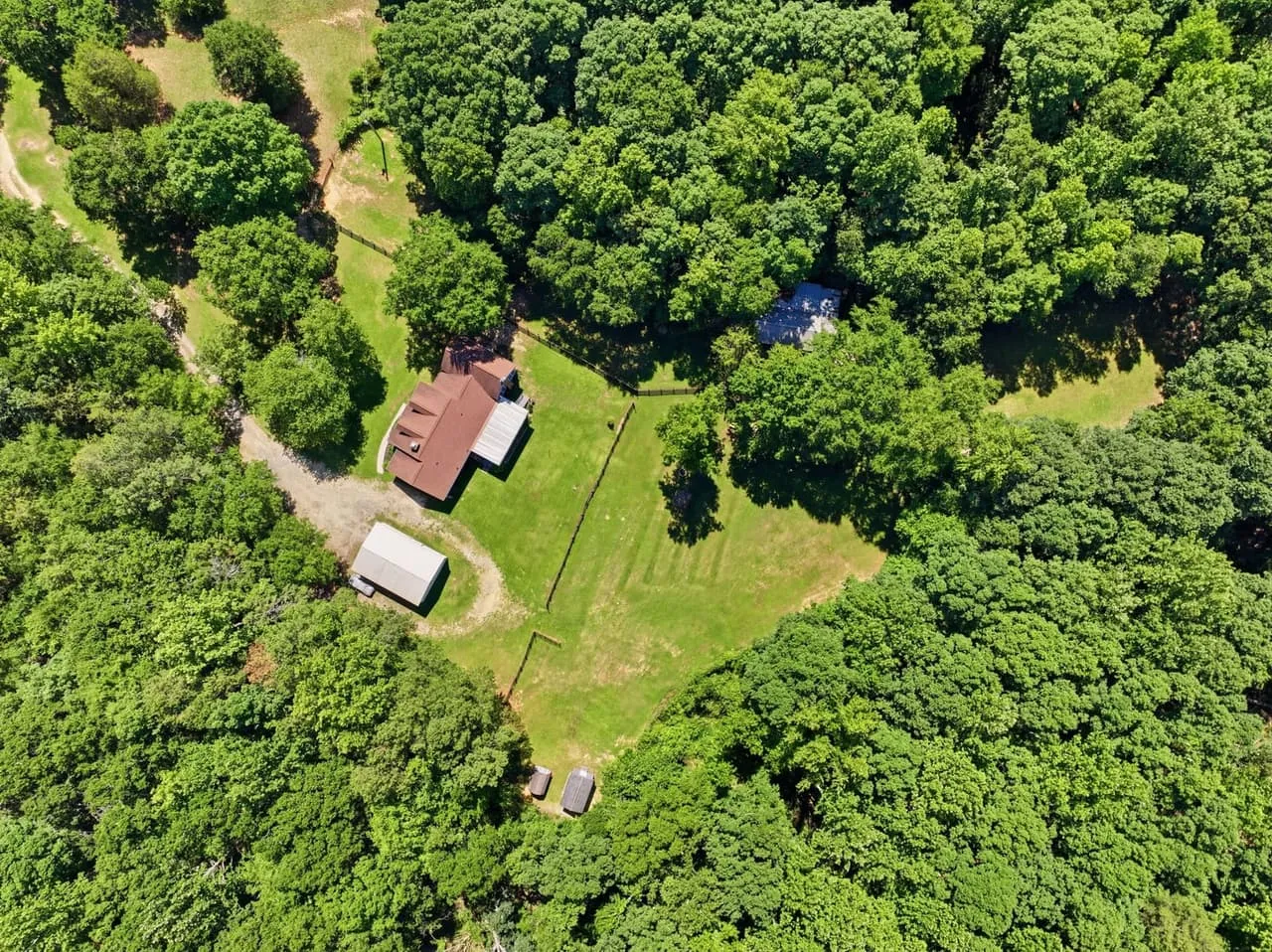
Stills tell you what stage a job is in. Video shows you how the whole site fits together: where the trucks come in, where the laydown yard sits, how the building relates to the grade and the neighbors. That’s why owners, lenders and investors would rather watch a two-minute flyover than read a photo log. Here’s what construction drone video records, how a shoot runs, and where it stops being useful.
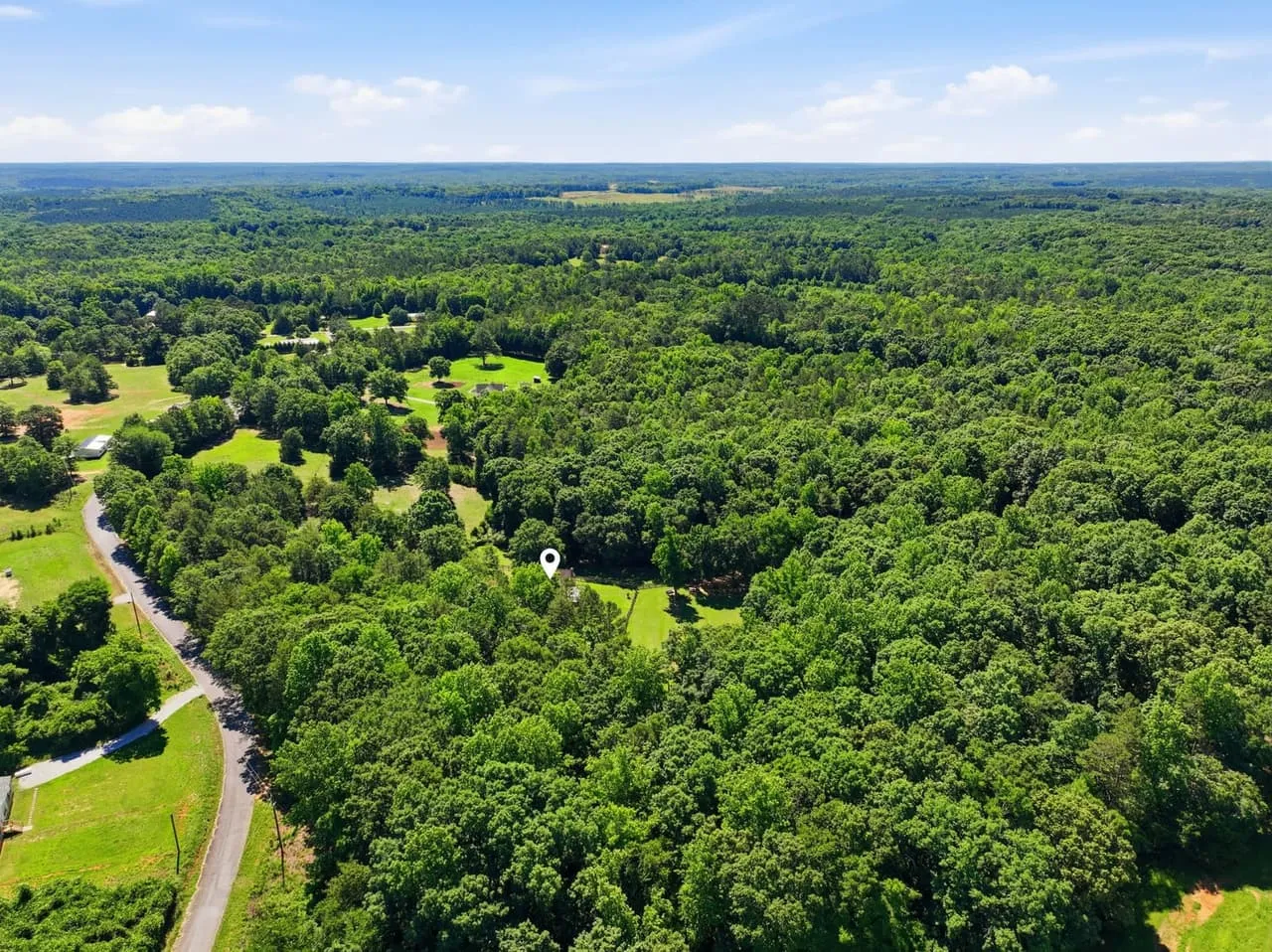
What video records that photos don’t
- Site logistics. Access roads, staging, material storage, how equipment moves. A still catches one moment. A slow pass along the site shows the layout.
- Context. Drainage, grade changes, the lots next door, the road frontage. Owners and lenders often ask about these.
- Scale and progress in one clip. A slow orbit of a half-framed building tells an out-of-town owner more than six photos and an email.
- Sequence. Fly the same line every visit and the clips cut together into a reel that shows the build at a glance.
How a repeatable construction flight works
The value is in repeating it, so the plan matters more than the camera.
- Walk the perimeter first. Note cranes, power lines, active lifts, tall neighbors and where the crew is working. Those decide the flight path.
- Pick the line and keep it. Same start point, same altitude, same heading, same speed, ideally the same time of day. A reel only reads smoothly if the flights match.
- Fly with a spotter when crews are on site. The drone doesn’t go over people. If the crew is in the middle of a pour or a lift, a good operator waits or reroutes.
- Shoot the standard set. A high flyover along the main line, a slow orbit of the structure, a low pass along each elevation, and a straight-down view when the roof or slab is the story.
How long it takes depends on the footprint and the wind. A single building is a short visit. A multi-building site takes longer, and wind or a low ceiling can push the day.
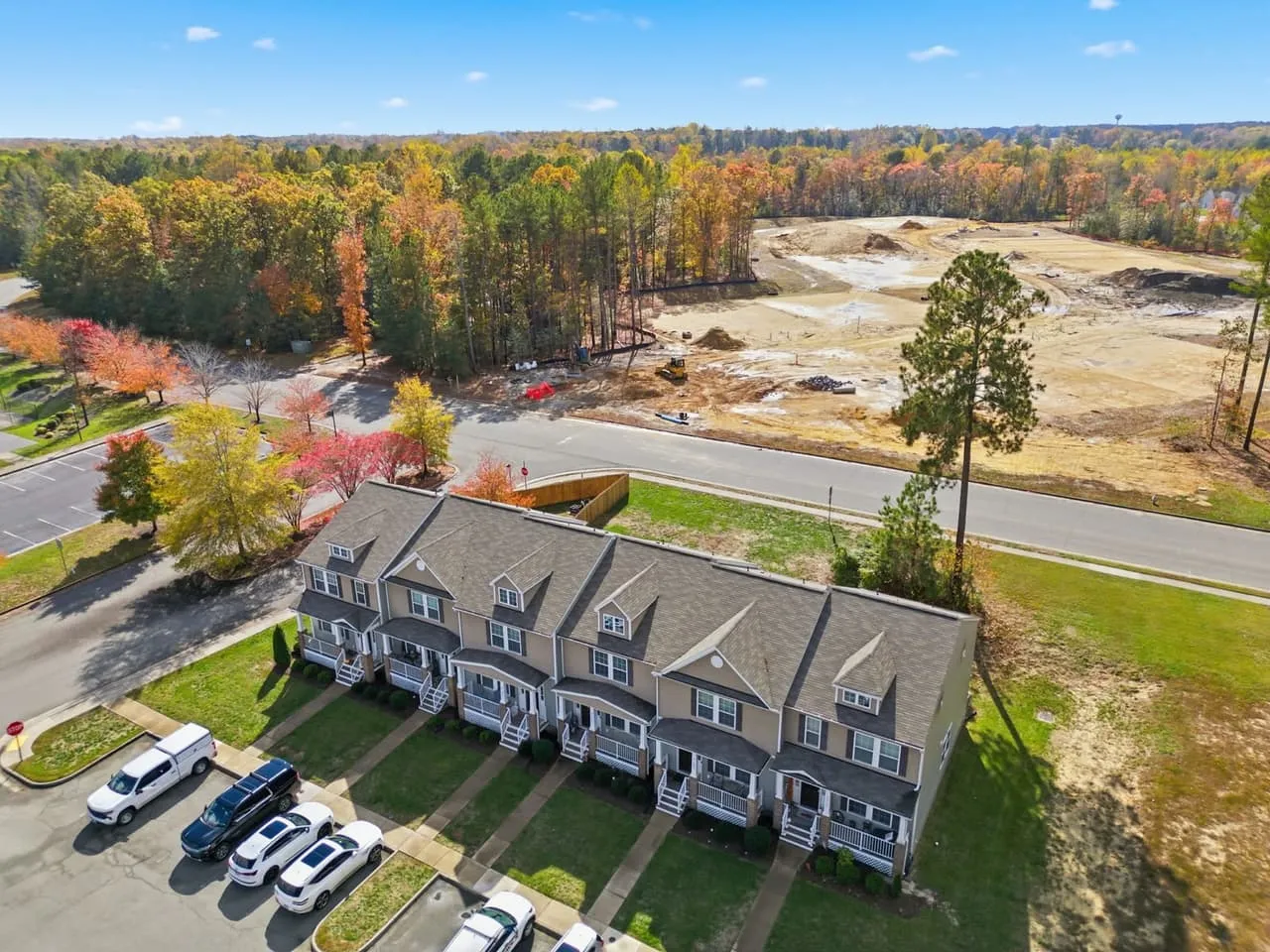
Here’s how that could play out on a hypothetical four-building townhome community shot monthly. Each visit, the pilot flies the same high line down the length of the site, orbits the building under construction, then makes one low pass along the street side. Wind picks the day more than the schedule does, because gusts show up as shake in the footage. By month six you have six matching flyovers, and cut together they show the grade work, the slabs and the framing moving across the site in the order it actually happened.
What a construction video shoot normally delivers
Deliverables vary by operator and by what you order, so settle this before the flight. A construction video shoot typically produces:
- A short edited flyover from each visit, dated, that you can send to an owner or lender.
- The unedited clips behind it, so a different version can be cut later.
- A progress reel stitched from all the visits once the project wraps, which doubles as marketing.
- A vertical cut for social, if you ask for one when you book.
Ask what format and resolution the files come in, who holds the originals, and who else on the project can see them. For our own work, delivery follows the schedule in the order confirmation, and our delivery standard explains how that works.
Where it earns its keep
- Owner and investor updates. Remote stakeholders see the site without a trip.
- Draw requests and lender backup. A dated visual of what’s complete supports your paperwork. It doesn’t replace the lender’s inspector.
- Dispute records. “What was done when” is easier to settle with a dated clip.
- Marketing at the end. The finished project reel is the one your sales team can keep using.
Neighbors and what the video shows
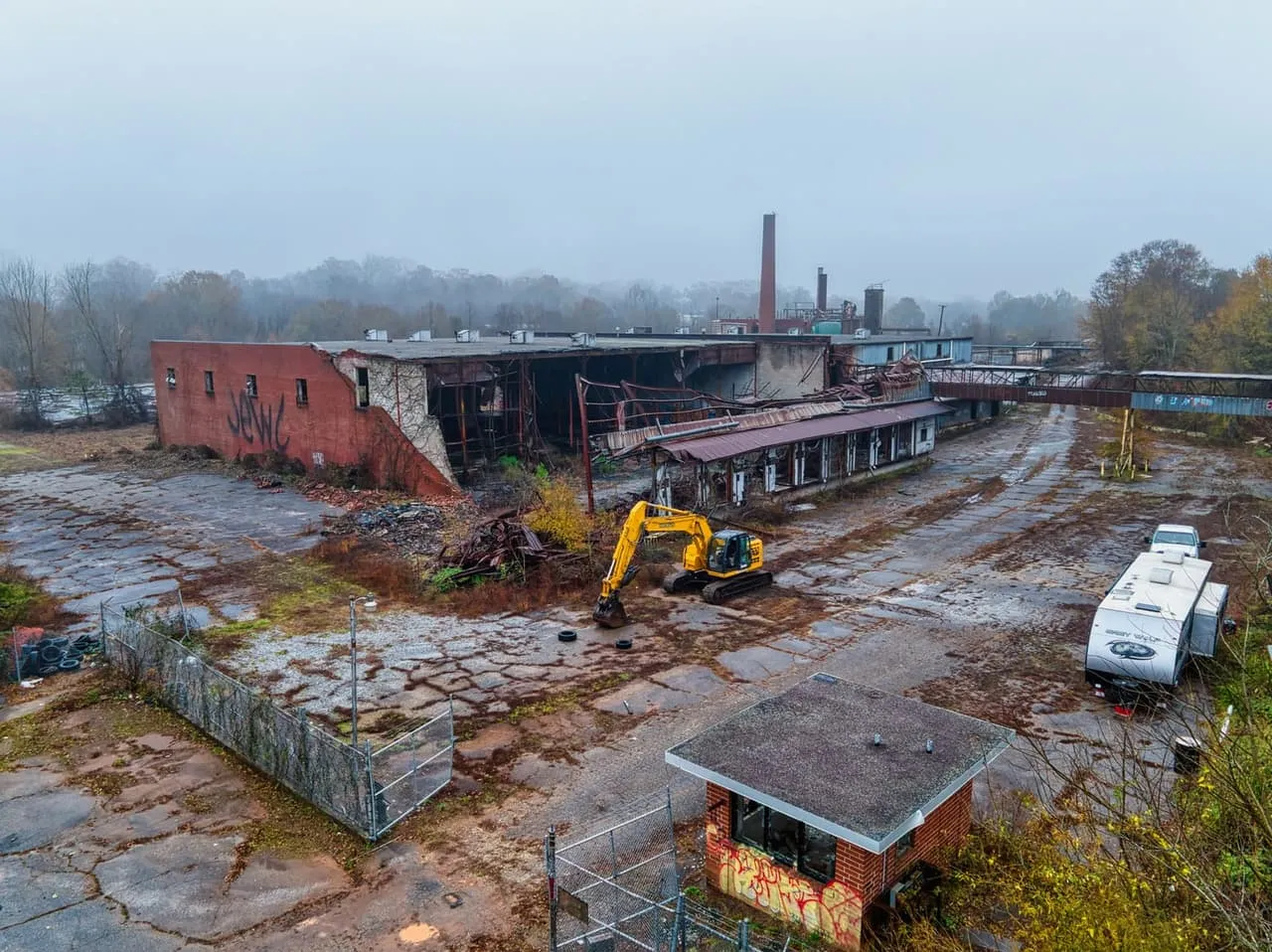
A flyover shows more than your site. Neighboring yards, pools and rooftops are in the frame, and so are people on adjacent lots. Keep the flight path over your own property, don’t hover over the neighbors, and ask the operator how footage is stored and who gets the files before you post a clip publicly. Clearing and demolition work is where this comes up most, since a cleared lot opens the view to everything around it.
What drone video won’t do
Video is a record, not a measurement. You can’t pull dimensions, volumes or grades from a flyover. For that you need a mapping flight that feeds photogrammetry software, or a licensed surveyor, and that’s a different job we leave to mapping specialists. For the stills and video side, see how drones are used in construction photography.
Some operators also carry thermal or LiDAR payloads. Most progress video doesn’t need either, so ask what’s in the quote and whether you’ll use it.
Rules and airspace
Anyone flying commercially needs an FAA Part 107 remote pilot certificate. Ask any operator to show theirs.
Airspace works the same as it does for stills. In the controlled airspace around GSP, Donaldson, CAE or RIC, the operator checks LAANC at booking, and where the grid shows zero it’s a manual FAA request that can take weeks. Nobody can promise approval, so don’t set a video date before the check is done.
When stills are enough
A short remodel or a single small build usually doesn’t need video. Video pays off on multi-month commercial work, multi-building sites, out-of-town owners, and developers who’ll show the project to investors or buyers. If you’re not sure, start with a few stills at the milestones and add video once somebody asks for it.
Want the whole program? Read how we run construction progress photography across South Carolina, see how builders use photography to win work, or look at our packages.
Beyond All Media | South Carolina (864) 714-0724 | Richmond (804) 913-3013