
How to Photograph Vacant Commercial Space in Columbia, SC
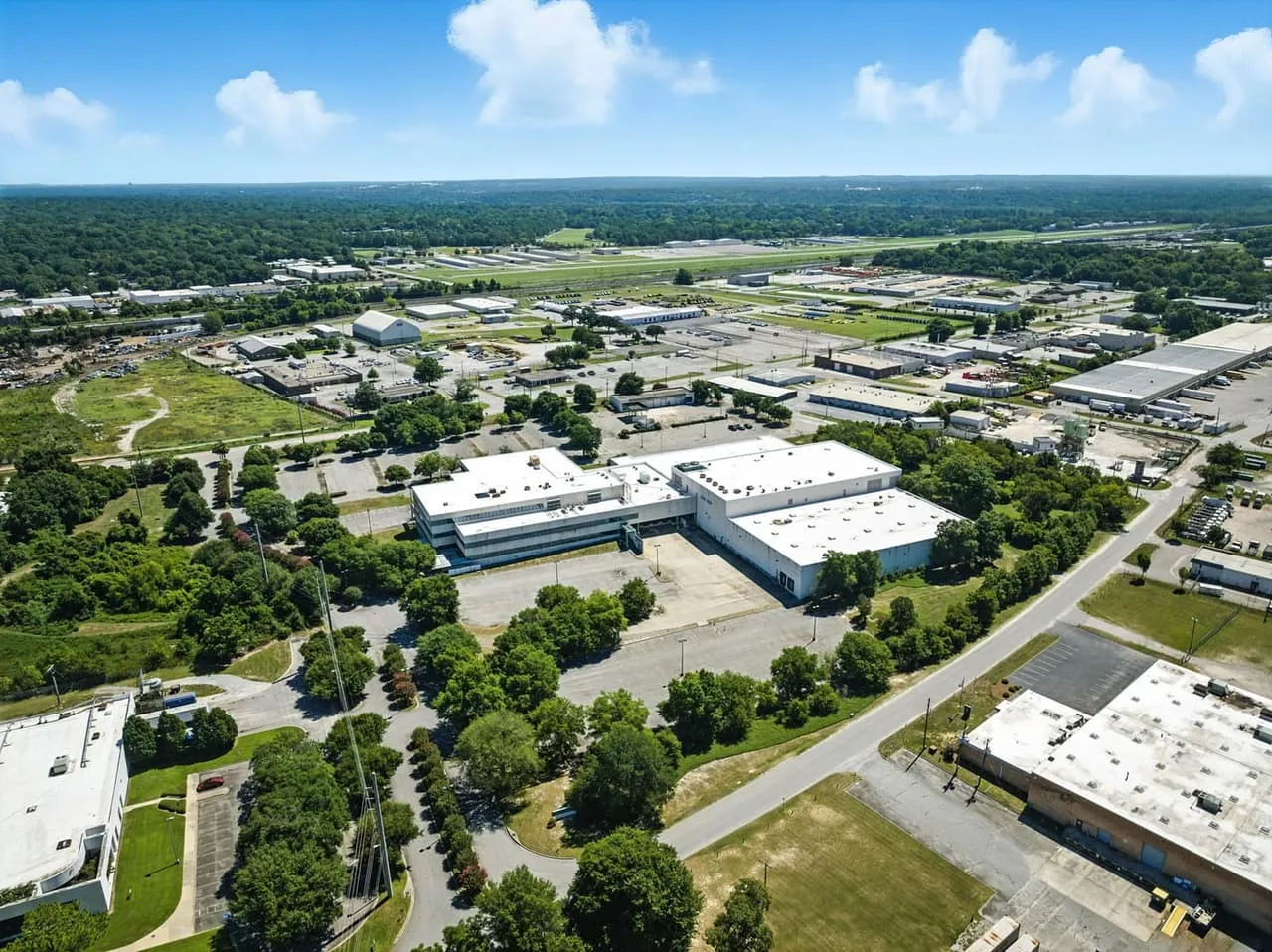
Walk into a vacant flex building off Shop Road on a Tuesday morning and there’s nothing to photograph. No furniture, no people, no warm lamp glowing in a corner. Just a concrete slab, a column grid, and about half the lights working. Every instinct a residential shooter has is useless in that room.
The photos still have to do a job, though. A tenant rep sitting in Charlotte is going to decide from those frames whether Columbia is worth a Thursday drive. That’s a very different problem than making a kitchen look good, and it gets solved differently.
An empty space is selling numbers, not feelings
Nobody signs a lease on 14,000 square feet because the pictures were pretty. They sign because the clear height works for their racking, the dock doors match their trucks, the power is already in the building, and the parking count covers a second shift. Your photos are answering questions, and every question a photo answers is a phone call you don’t have to return.
So get the spec sheet before the camera comes out. Clear height, column spacing, dock count and type, drive-in doors, electrical service, sprinkler coverage, office buildout square footage, parking spaces, and how long it honestly takes to reach I-77, I-26, or I-20 at eight in the morning. Then build the shot list off that. It’s the same discipline behind any good listing shoot in South Carolina and Virginia, just pointed at a different set of questions.
Shoot the bones
Chest height is still the right default, same as a house, and straight verticals matter more here than almost anywhere. A leaning column line in a warehouse photo reads as a crooked building rather than a crooked photo, and that impression is hard to undo.
Height is the hardest thing to get across. A ceiling on its own is just a ceiling. Put something known in the frame next to it: a standard man door, a dock leveler, a bay of pallet rack the last tenant left behind. Then shoot down the long axis so the column grid repeats and gives the eye something to measure with.
Resist going too wide. Wider than about 16mm on full frame, the corners of the frame stretch and the room reads bigger than it is, and a broker who walks the space after seeing that shot feels oversold. A 24mm frame that tells the truth beats a 14mm frame that adds floor space that isn’t there.
Then shoot the unglamorous stuff, because that’s what gets forwarded internally. Electrical panels. Dock levelers and bumpers. Floor drains. Sprinkler heads. The roof hatch and the transformer out back. None of it lands on the flyer. All of it ends up in the follow-up email that actually moves the deal.
Columbia corridors, and Columbia airspace
Most of the commercial space around here sits on a handful of corridors, and each one has its own photo problem. Shop Road and the industrial pocket behind Williams-Brice is flat and wide open, so aerials do a lot of work and ground-level frames need something in them to fight all that empty asphalt. Broad River Road and Two Notch are strip retail buried in sign clutter and power lines, so your angle matters more than your light. The Vista is tighter and older, often sitting in a neighbor’s shadow until mid-morning. Out along Charleston Highway in Cayce and West Columbia you get long low buildings on deep lots with very little to break up the pavement.
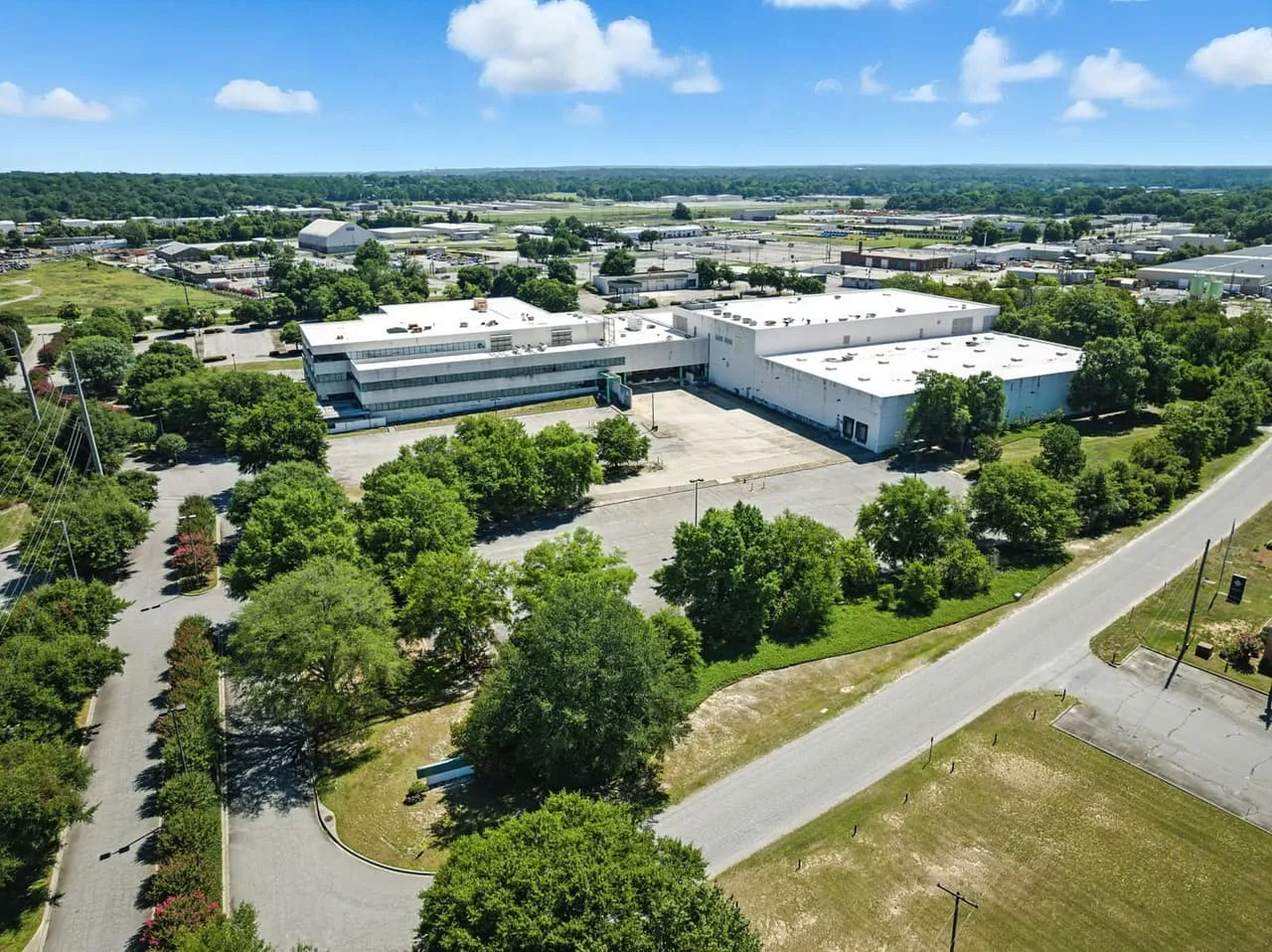
Airspace is the other thing to settle before you promise anyone aerials. The controlled airspace around CAE covers parts of the metro, and Jim Hamilton L.B. Owens is tucked in near Rosewood, right up against a lot of the Shop Road inventory. Some grids clear through LAANC. Where the grid shows zero, it’s a manual FAA request that can take weeks, and nobody can promise approval. Find that out on Monday, not on the morning of the shoot. Your pilot needs a current Part 107 certificate, and a property manager will often ask for proof of liability coverage as well.
Aerials earn their keep on commercial
On a house a drone shot is a nice extra. On a commercial building it’s frequently the most useful frame in the whole set. One high wide hands a tenant rep the entire context at once: the interstate, the neighbors, the rail spur if there’s one, how far the property really sits from the exit. A lower oblique across the lot shows truck turning radius and where a 53-foot trailer would actually swing. A straight-down frame reads almost like a site plan, which is exactly what a developer wants when they’re thinking about restriping or adding a building. The same logic holds for commercial work in Richmond.
Roof shots are the quiet win. A property manager who can pull up current photos of the membrane, the flashing, and the units on top has just saved a trip and a ladder. Shoot them while the drone is already up, because somebody always asks eventually.
Light on a long low building
Commercial buildings tend to be long, low, and pointed in one direction, so the shoot time follows the front elevation instead of the calendar. East-facing storefront means morning. West-facing means late afternoon. Get that backwards and the face of the building is a flat gray wall in every exterior you deliver.
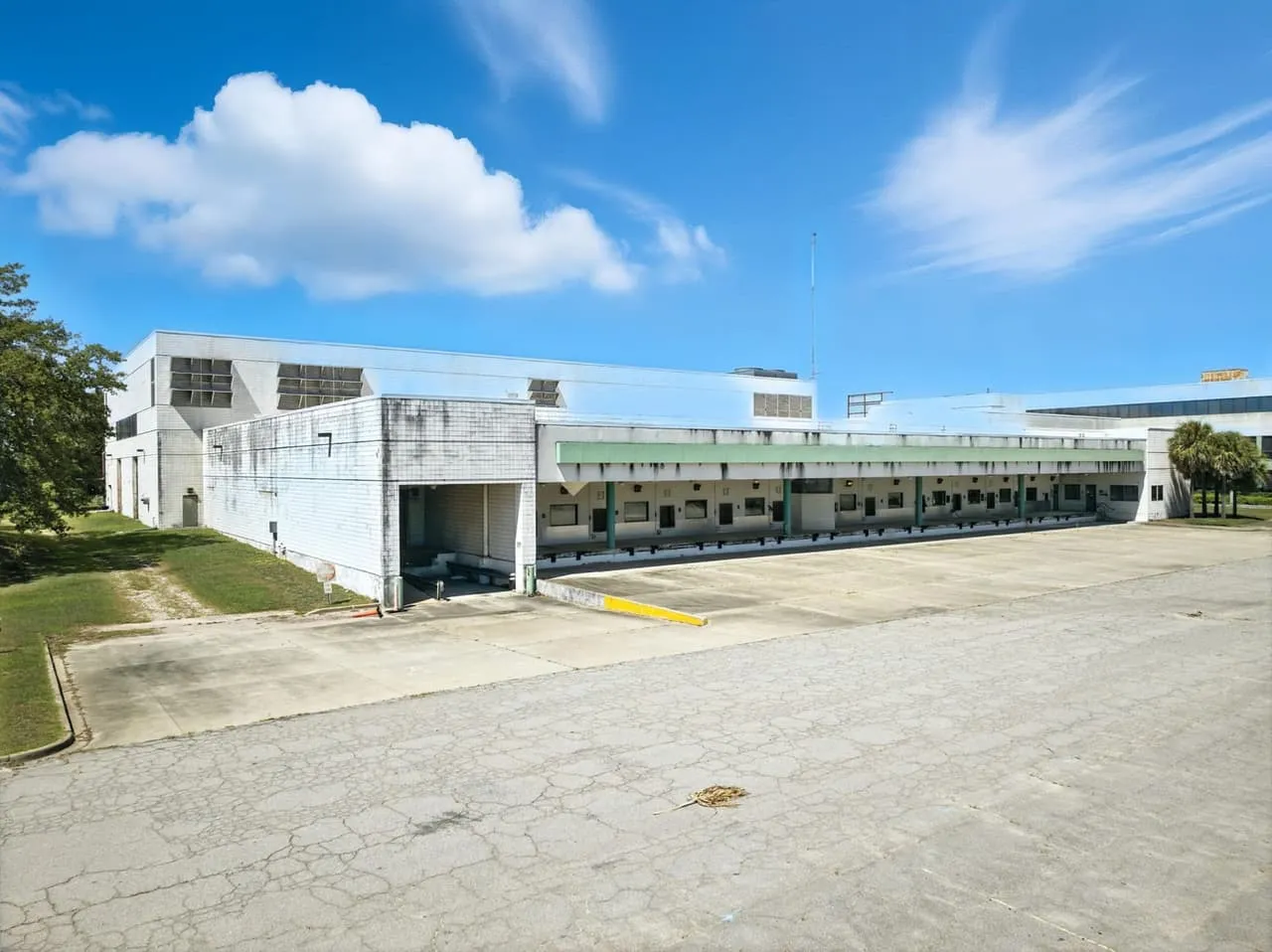
Overcast isn’t the enemy here the way it is on a residential exterior. A vacant industrial building under soft even light looks honest, and honest is what this audience is buying. What you want to dodge is high noon, when the asphalt blows out white and the building sinks into gray. Color rules don’t change either: get the interior lights matched or shut them off entirely, because half sodium and half LED will split a warehouse into orange and blue and no amount of editing cleans that up properly.
What to have ready before the shoot
- Every light on and working. Swap the dead ones a week ahead so nobody is shooting around a dark bay.
- Lot swept. Cracked asphalt photographs fine. Trash and pallets don’t.
- Dumpsters and contractor trucks moved off the property, not just around the corner of the building.
- Gates unlocked and someone with keys reachable by phone, including the electrical room and the roof hatch.
- Interior doors propped open so nobody is chasing a maintenance tech through the building mid-shoot.
- Old tenant signage down. A photo of somebody else’s logo on space you’re marketing as vacant undercuts the whole flyer.
- The spec sheet in hand, so the shot list matches what the marketing is going to claim.
When you don’t need the whole package
Not every space earns a full production. A 1,200 square foot second-generation retail suite on Harbison, in a center where the other three suites are already leased, needs maybe eight good interior frames and one clean exterior. Buying video and a 3D tour for that is money better spent on the tenant improvement allowance. Same story for anything already under LOI. A good photographer will tell you that on the phone before you book.
Where the full package does pay off: vacancies that have been sitting for months, anything over roughly 10,000 square feet, buildings where location is the strongest card you hold, and portfolios where a property manager needs consistent documentation across a dozen assets and is tired of phone photos from three different techs.
Got vacant space in Columbia you’re tired of looking at? Look at our packages, or call Beyond All Media. We shoot in Columbia, the Upstate and Richmond. If you’re still choosing a photographer, what to ask before you hire one is a good start. South Carolina (864) 714-0724 or Richmond (804) 913-3013.