
What Should I Look for in a Commercial Photographer?
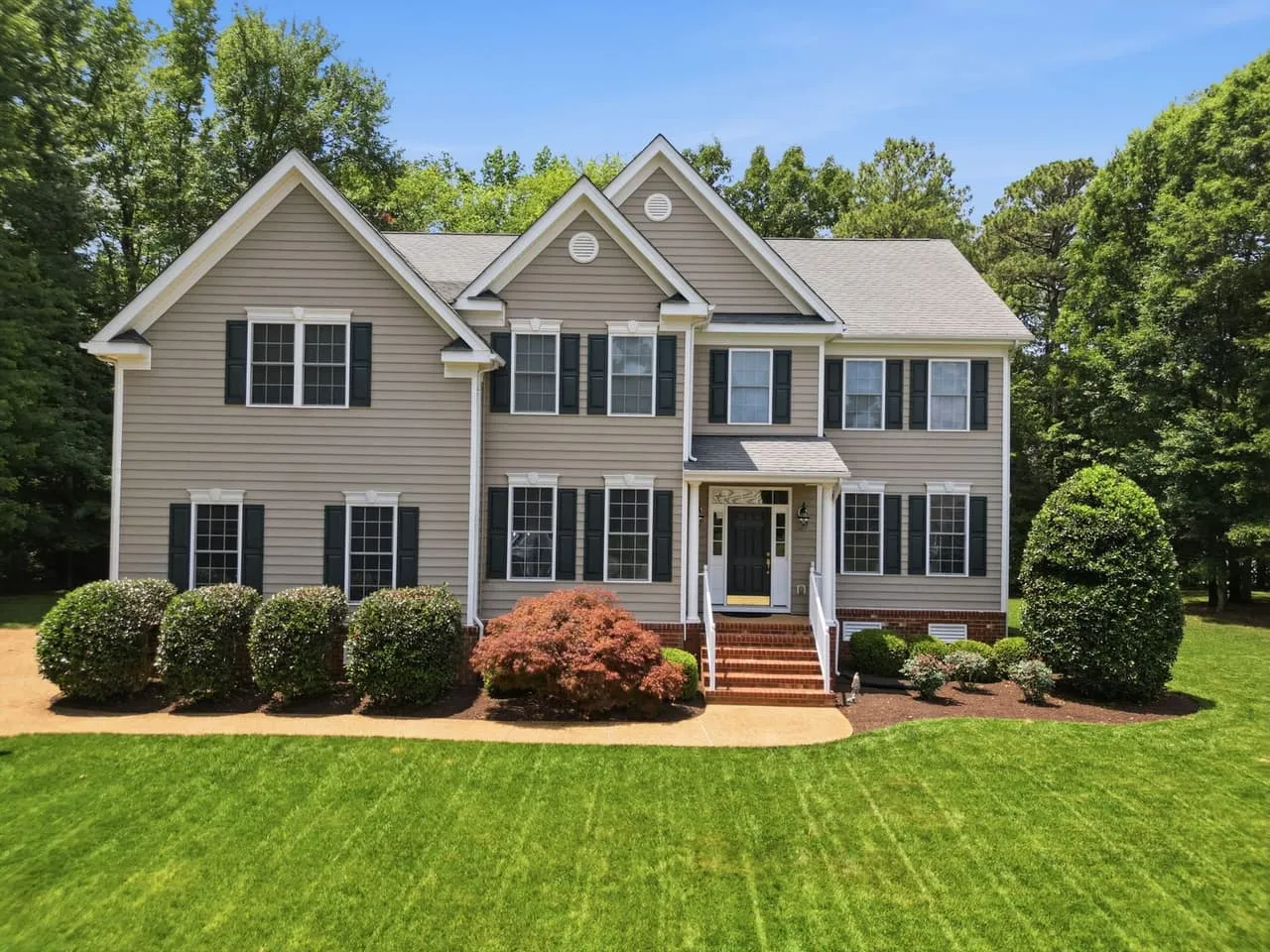
If you run a business in Greenville, Columbia or Richmond and you’ve never hired a commercial photographer, the shopping process is genuinely confusing. Every website looks good. Everybody says they have years of experience. Here’s what actually separates one from the next, and what to ask before you put money down.
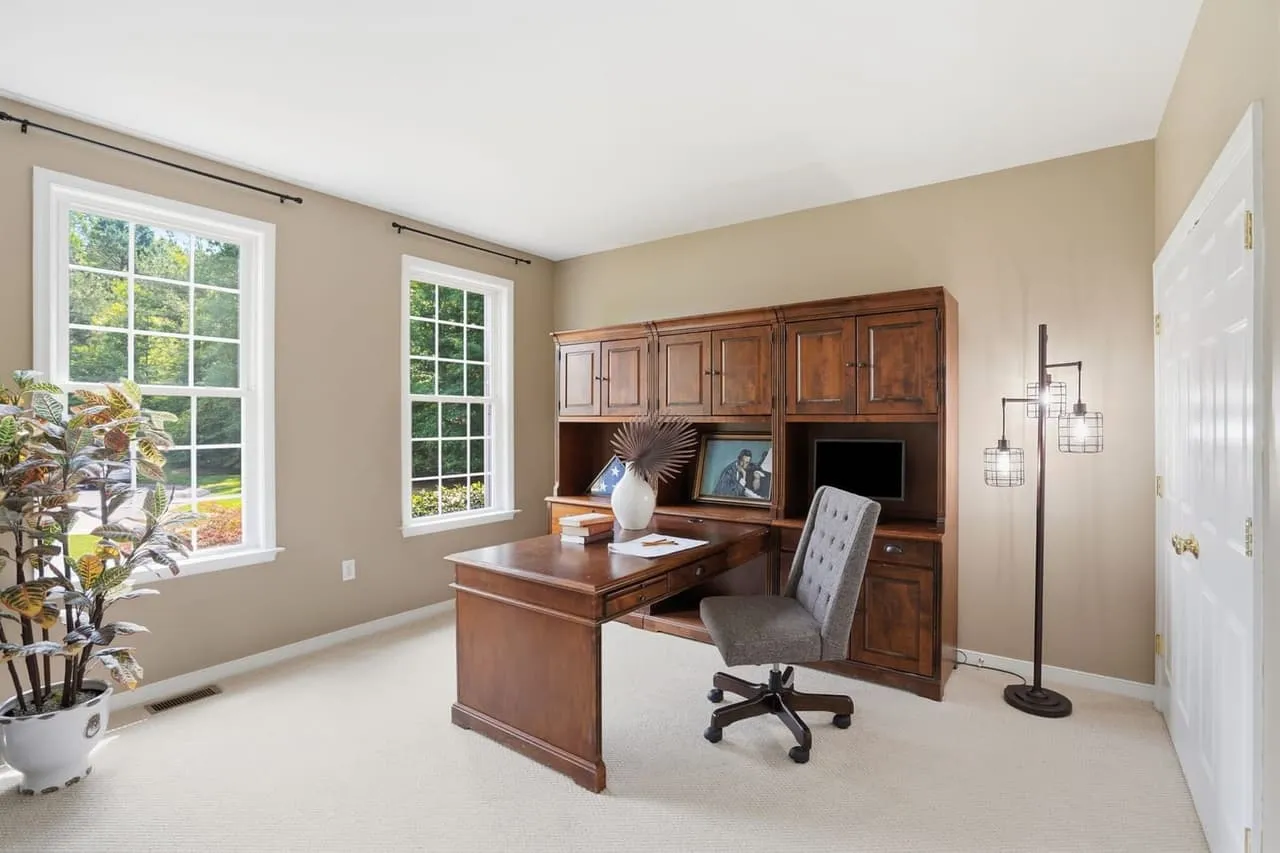
Figure out what you actually need first
Commercial photography is a bucket word. Product shots on white, headshots for the team page, event coverage, interiors of your space, drone work over a job site. Those are different skills and often different gear. Be specific with yourself before you call anybody.
A photographer who shoots beautiful plated food isn’t automatically your person for a forty thousand square foot warehouse, and it runs the other way too. If you’re shooting a space rather than an object, you want somebody who works wide interiors all the time. That means keeping vertical lines straight, handling a room where the windows are several stops brighter than the walls, and knowing that ultra-wide lenses stretch things near the edges of the frame, so going much wider than about 16mm on full frame starts to look distorted.
Look at portfolios, but look at the boring parts
Anybody can put ten great frames on a homepage. What tells you more is a full gallery from one single job. Ask for one. You want to see whether the fifteenth photo holds up as well as the first, whether color stays consistent from room to room, and whether the ordinary spaces got the same care as the hero shot.
Consistency is the actual product you’re buying. A set where three photos are stunning and twelve are flat does less for your marketing than fifteen solid ones, because the flat ones are what a customer sees once they scroll past the first few.
Experience shows up in the unglamorous parts
Somebody who has shot a hundred of these knows to ask which way the building faces before picking a time slot. They know your front desk needs a heads up. They show up with a shot list instead of asking what you want while the clock runs. Most of what you’re paying for is problem solving on site, on the day the conference room got double booked and the sun is doing something unhelpful.
Two questions worth asking: how many shoots like mine did you do last year, and what usually goes wrong? Anyone with real reps answers both specifically and without getting defensive. On commercial jobs the honest answer to the second one is usually access, not light. Locked doors and tenants who didn’t get the memo cost more shoot days than weather does.
Technical skill, in plain terms
Gear talk is mostly noise. These are the questions that actually change what you get:
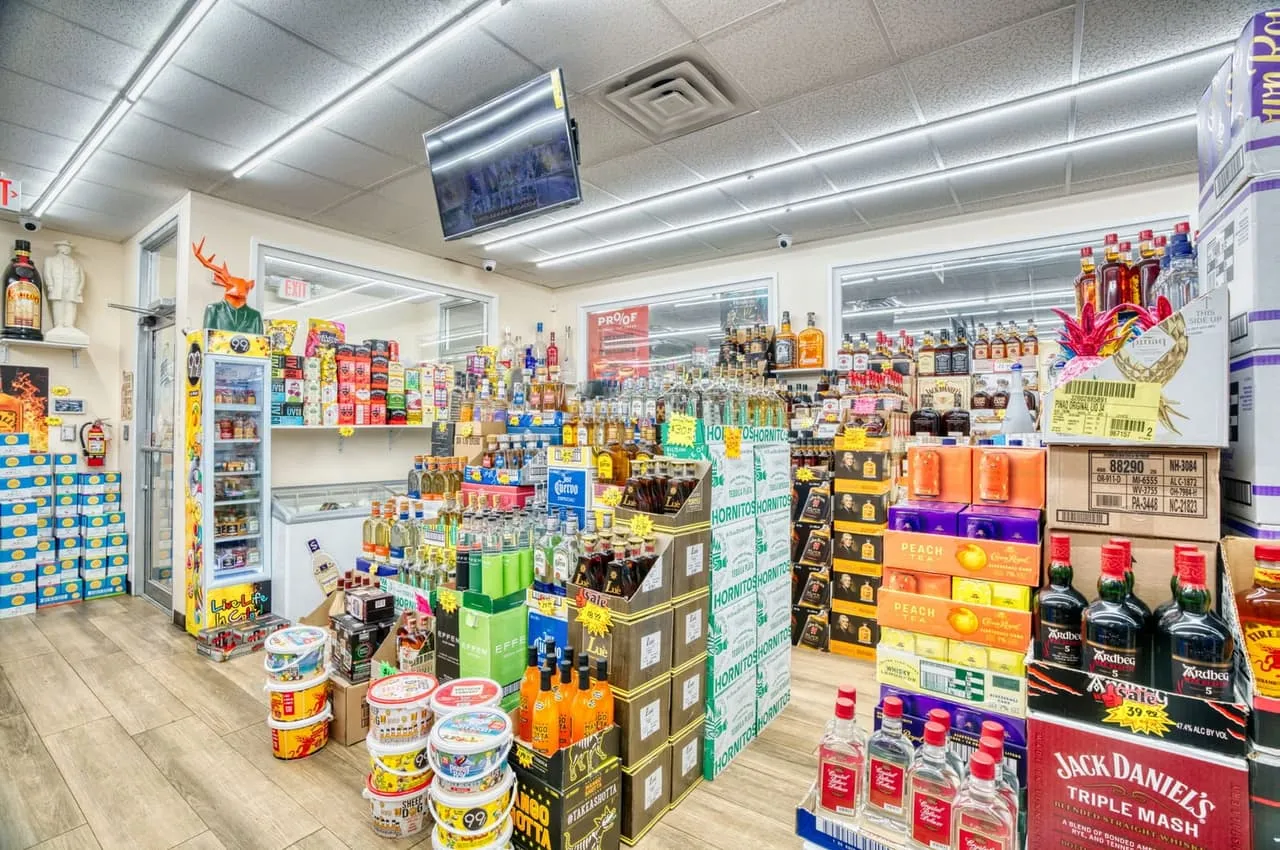
- Do they light interiors, or only bracket and merge? Both can work. Over blended HDR gives itself away with gray, lifeless shadows and a glow around the window frames.
- What’s the turnaround, and is it in writing? Verbal estimates have a way of stretching.
- Who owns the files, and what usage rights do you get? This is the one that catches people out later, usually when they want to hand images to a franchise partner or run paid ads.
- If drone work is part of it, do they hold a Part 107 certificate? Flying commercially without one isn’t legal, and it’s your building in the frame. Ask about liability coverage too, since property managers often want a certificate of insurance.
- How do they handle a reshoot, and who pays for it?
Notice none of those are about which camera body somebody owns. A capable photographer with a five year old body and good light beats a new sensor pointed badly, every time.
How they communicate tells you more than the camera does
Pay attention to the back and forth before you’ve paid anything. Did they ask you questions, or just send a price? The best predictor of a shoot that goes smoothly is a photographer who wants to know what the photos are for, where they will run, and what you were unhappy about last time.
Get the scope in writing. How many finished images, which spaces, roughly how long they will be in your building, and what happens if you dislike a few of them. None of that’s adversarial. It just means nobody is guessing on the day. And if you’re down to two photographers, pick the one who asked you the most questions.
Where to go next: if the space is vacant and you’re trying to lease it, read how to photograph vacant commercial space in Columbia. Brokers and property managers in Richmond can start with our commercial real estate photography guide. If customers decide based on your room, a Matterport tour may be worth a look. Then see what’s in our packages.
Need commercial or property photography? Beyond All Media shoots across Upstate SC, Columbia and Richmond. South Carolina (864) 714-0724 or Richmond (804) 913-3013.